
15 minutes: KRISP Work at a Glance
In this new section of the krisp.org.za website, the idea is that anyone with 15 minutes to spare can learn about our work and its application in everyday life.

Chadash Enterprise: Bringing Rooibos Science to Biotech Innovation
- 2026-10-14
Transforming indigenous research into commercial solutions.
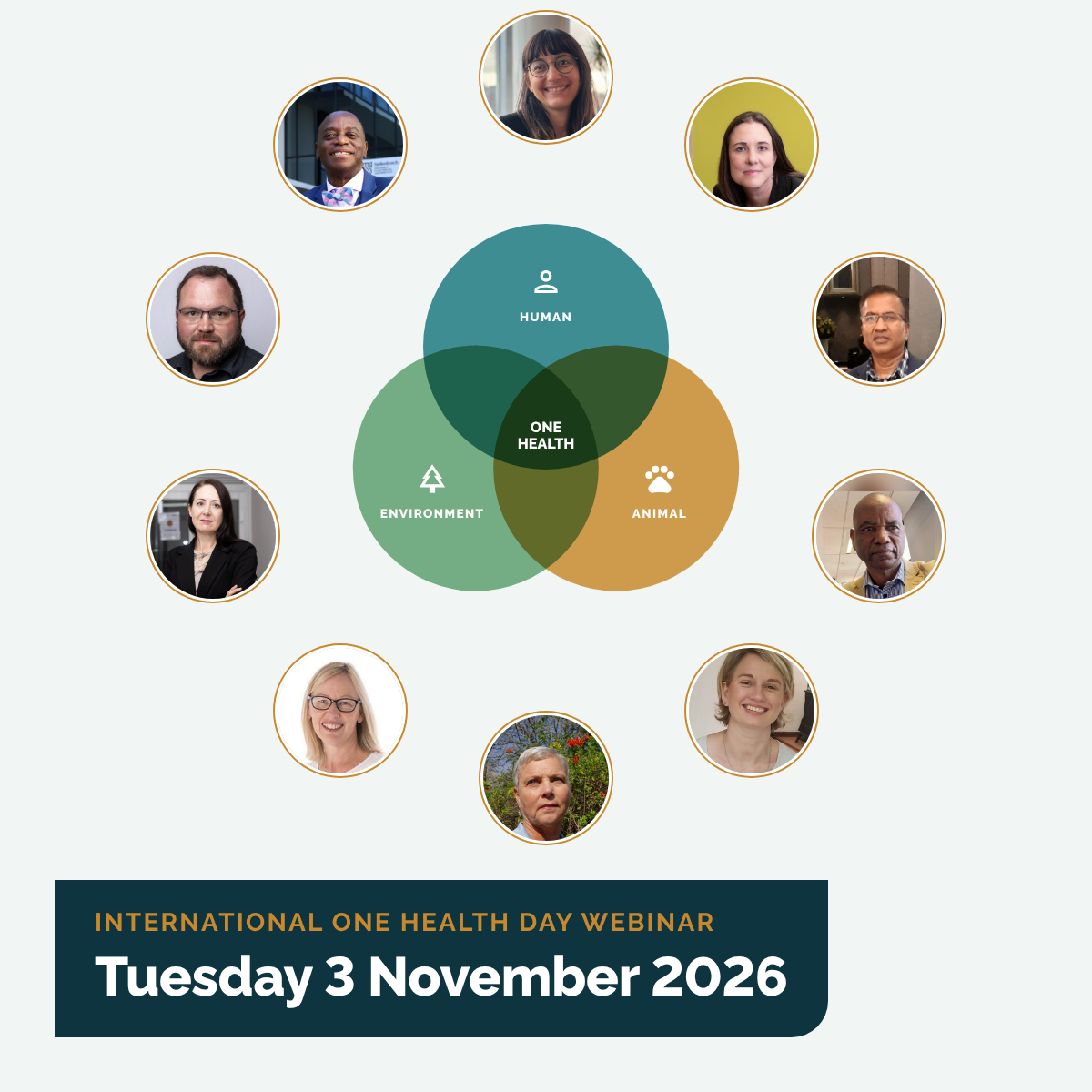
Shared Spaces, Shared Health: South Africa Marks International One Health Day
CERI, Stellenbosch University - 2026-10-14
Emerging infectious diseases do not respect the boundaries between people, animals and the environment. To mark International One Health Day, Stellenbosch University’s Centre for Epidemic Response and Innovation (CERI) and the University of Pretoria host a free online webinar on Tuesday 3 November 2026, from 08:50 to 13:00 SAST. Ten speakers will examine how a One Health approach strengthens South Africa’s preparedness. Topics include tuberculosis at the human–wildlife interface, spillover prevention, arbovirus surveillance and Ebola preparedness.
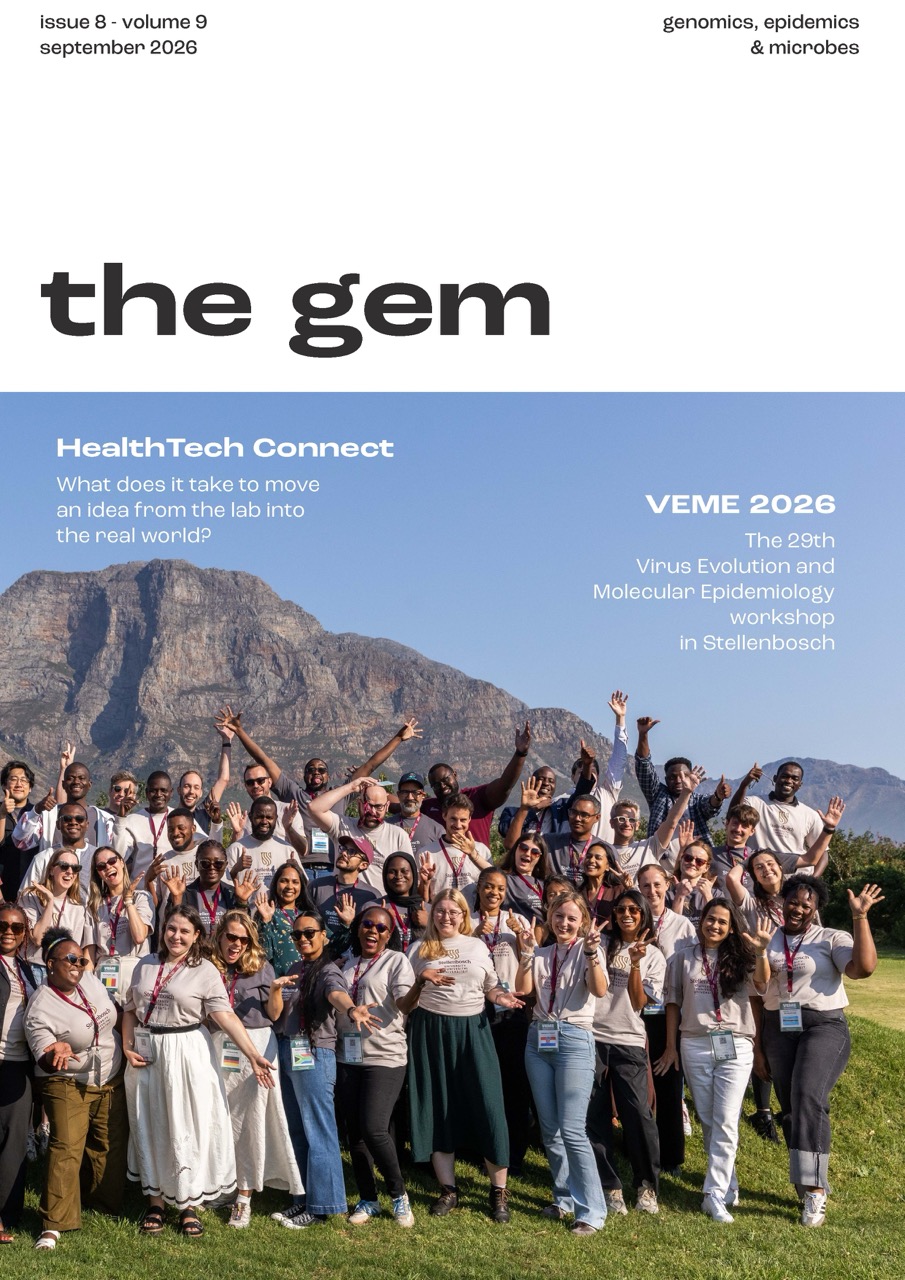
the gem
- 2026-10-08
This month, two very different events brought together scientists, innovators, and health leaders with a shared purpose: turning knowledge and innovation into real-world impact. At VEME 2026, scientists explored how genomics, combined with other disciplines and AI, can detect emerging threats earlier.
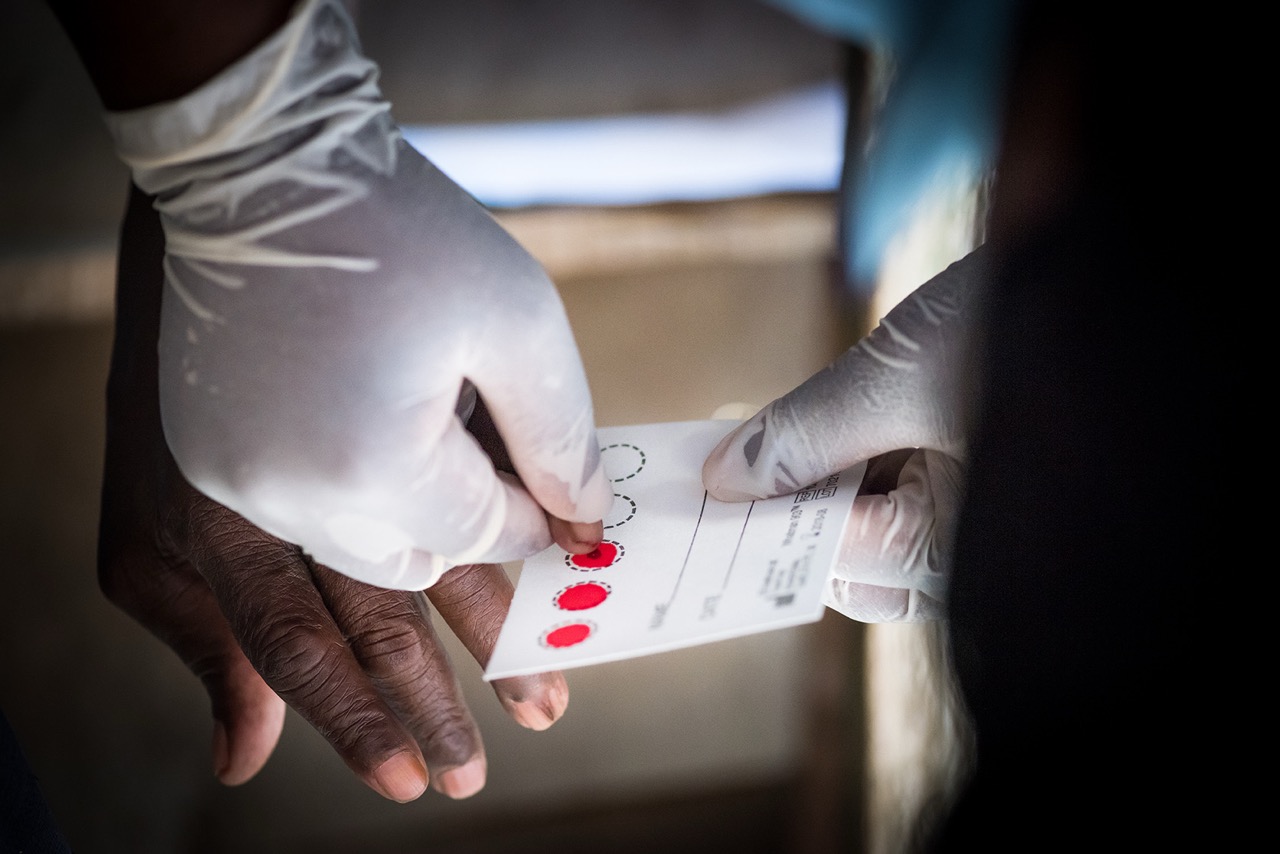
After Two Decades of Gains, HIV Progress in KwaZulu-Natal Has Stalled Since 2019, Lancet HIV Study Finds
- 2026-10-08
One of the world’s largest ongoing population-based HIV studies shows major declines in new infections over two decades. But from 2019, progress has stalled – and in some cases begun to reverse. A new study identifies where renewed action could help South Africa regain momentum towards epidemic control.
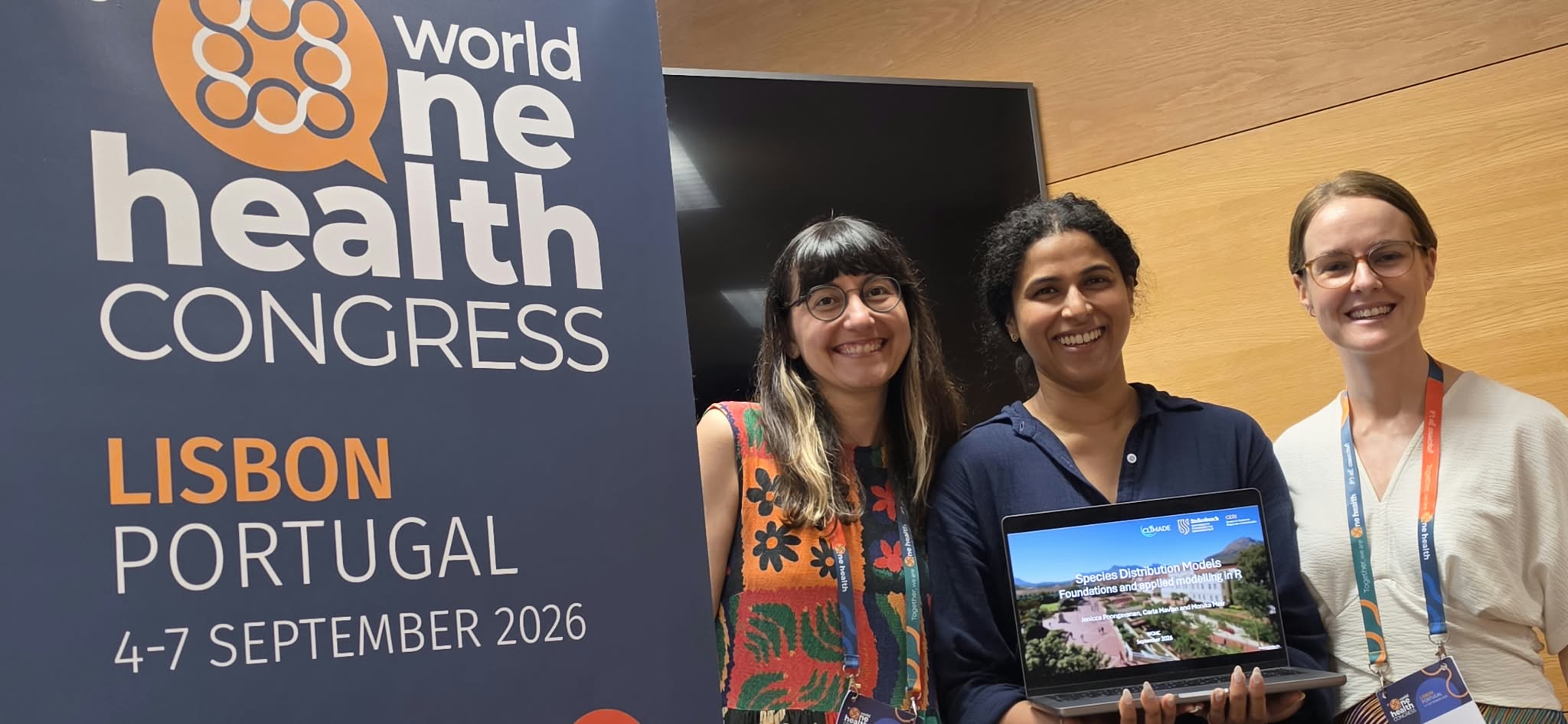
When Ecology and Epidemiology Meet
- 2026-10-06
At the 9th World One Health Congress in Lisbon, Jenicca Poongavanan explored how bringing ecological and epidemiological thinking together can help us better understand disease risk.
Blogs

5th Annual SPARK Global Meeting - personal view of Dr Richard Lessells and Gugulethu Mkhize
Richard Lessells & Gugulethu Mkhize - 2019-10-02
Extract from Dr. Thulile Nlapo's Travel Journal to a Translational Science Trip to Australia
Thulile Nlapo - 2019-10-01
SPARK Global, 7th Annual Biomedical Innovation and Entrepreneurship Training Course
Benjamin Chimukangara - 2019-10-01
A KRISPER at the Wellcome Sanger Institute
Zandili Sibisi - 2019-05-01

Bioinformaticians are pioneering the future of science
Yumna Moosa - 2017-07-28

Meeting of the Swiss, Swedes and South Africans minds
Nicolette Crozier, Benjamin Chimukangara, Veron Ramsuran - 2017-07-25

Megan Druce: from Cum Laude MSc to a Scholarship for a PhD in Germany...
Megan Druce - 2016-04-18
Sthembiso Msweli: from Hlabisa to MSc and Further Promoted to Laboratory Manager...
Sthembiso Msweli - 2016-04-17
YouTube Videos

COVID-19 in SA | SA scientists don't expect high infection or hospitalisation numbers
From Tulio De Oliveira and CERI & KRISP team, date: 2023-01-10, duration: 00:08:46
COVID-19 | News sub-variant being monitored closely
From Tulio De Oliveira and CERI and KRISP teams, date: 2023-01-10, duration: 00:02:34

First case of COVID-19 sub-variant XBB.1.5 confirmed in South Africa: Prof. Tulio de Oliveira
From Tulio De Oliveira and CERI and KRISP team, date: 2023-01-07, duration: 00:15:48

As the COVID pandemic recedes CERI & KRISP join the fight to control other outbreaks and epidemics
From Tulio de Oliveira, date: 2022-08-05, duration: 00:02:16

Women in Science Profile Series - Sureshnee Pillay
From Sureshnee Pillay, date: 2022-08-01, duration: 00:03:24
KRISP has been created by the coordinated effort of the University of KwaZulu-Natal (UKZN), the Technology Innovation Agency (TIA) and the South African Medical Research Countil (SAMRC).


Location: K-RITH Tower Building
Nelson R Mandela School of Medicine, UKZN
719 Umbilo Road, Durban, South Africa.
Director: Prof. Tulio de Oliveira