
Stakeholder Mapping asks: âWho needs to be at the research table?â
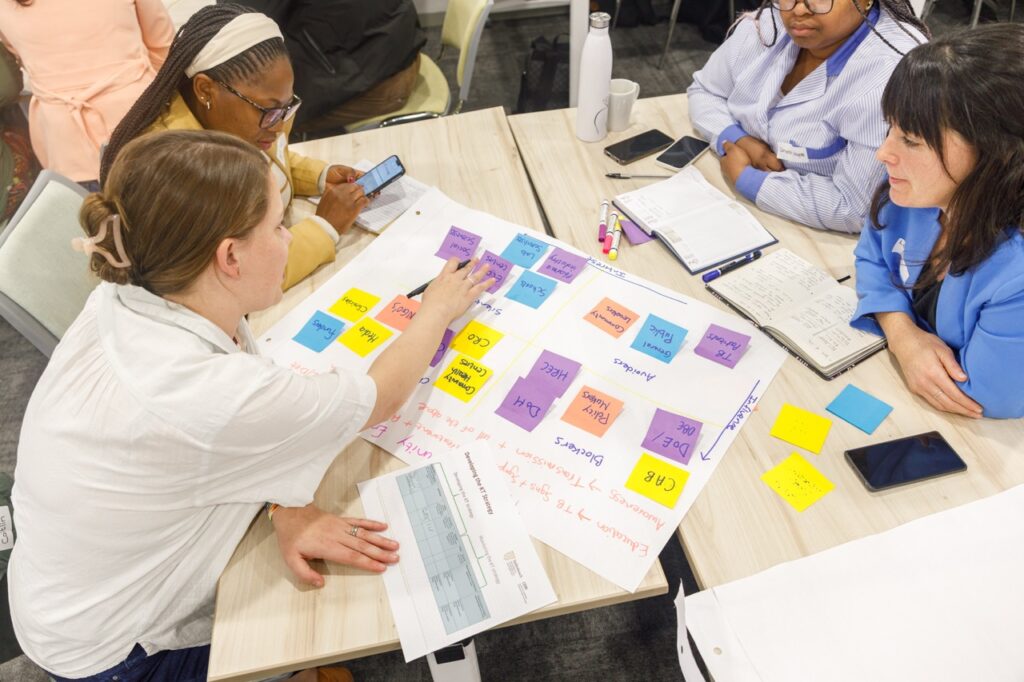
The most impactful research begins by bringing the right voices to the table from the very beginning. Stakeholder mapping refers to the process of identifying the individuals or groups with an interest in a research question or who may be affected by a research project's outcomes or policies. They can include communities, policymakers, practitioners, organisations and researchers.
Researchers need to engage diverse actors to effectively address complex societal problems. Stakeholder mapping is thus an essential tool in every researcher's toolbox. It is also a critical component of transdisciplinary research (TDR), which takes a collaborative approach to research by integrating knowledge from multiple stakeholders to co-produce solutions.
Part of the stakeholder mapping process involves a power-interest matrix that maps stakeholders according to their level of influence (power â y-axis) and level of interest (x-axis). In its simplest form, this matrix has four quadrants that maps four types of stakeholders: 1) Blockers, 2) Champions, 3) Avoiders and 4) Silent Boosters. âRather than being reactive and interactive, stakeholder analysis helps you achieve your research goals by being proactive and interactive with your projectâs stakeholdersâ, explained Dr. Mulopo.
Some useful methods to identify stakeholders include:
- Consulting your research team and experts
- Meeting with affected communities and their leaders
- Asking existing stakeholders to identify additional stakeholders
- Your personal networks
- Studying literature related to your research project
Once the stakeholders have been identified, it is important to develop appropriate engagement strategies according to each stakeholderâs influence and interest. Dr. Mulopo referred to this as the âknowledge translation (KT) strategyâ that entails researchers engaging strategically with key actors and beneficiaries. The significance of this strategy is because ânot all stakeholders are equalâ as Dr. Mulopo notes and researchers need to strategically use their resources, time and energy across the different types of stakeholders. When developing their KT strategies, researchers should ask questions like:
- What is the purpose of engaging with this stakeholder?
- What message do I want to convey?
- Which medium is best suited to convey this message?
- At what stage of the research should I engage with this stakeholder?
Researchers conduct excellent research that produces innovative solutions to important societal challenges, yet they can fall short with translating these solutions into practice. Stakeholder mapping can help bridge this gap. As Dr. Mulopo explained during the session, âStakeholder mapping allows for greater acceptance and implementation of research findings by communities and policymakers.â By involving stakeholders throughout the research process, researchers can build buy-in and foster a sense of ownership, making them more likely to support and implement the research outcomes.
It was a lively and engaging session with many attendees noting how valuable the session was for their own learning and research. One attendee, Dr. Bih Chendi, a postdoctoral researcher in Stellenbosch Universityâs Faculty of Medicine & Health Sciences, gave the following feedback:
âOne key takeaway for me was learning to look beyond simply identifying stakeholders, and to understand where they sit in terms of influence and interest. From low to high influence and low to high interest, each stakeholder requires a different approach.
I particularly found the idea of identifying blockers, champions, silent boosters and avoiders useful. Itâs a practical reminder that successful research also requires an understanding of the people who can influence its implementation.â
Watch Dr. Mulopoâs lecture recording here
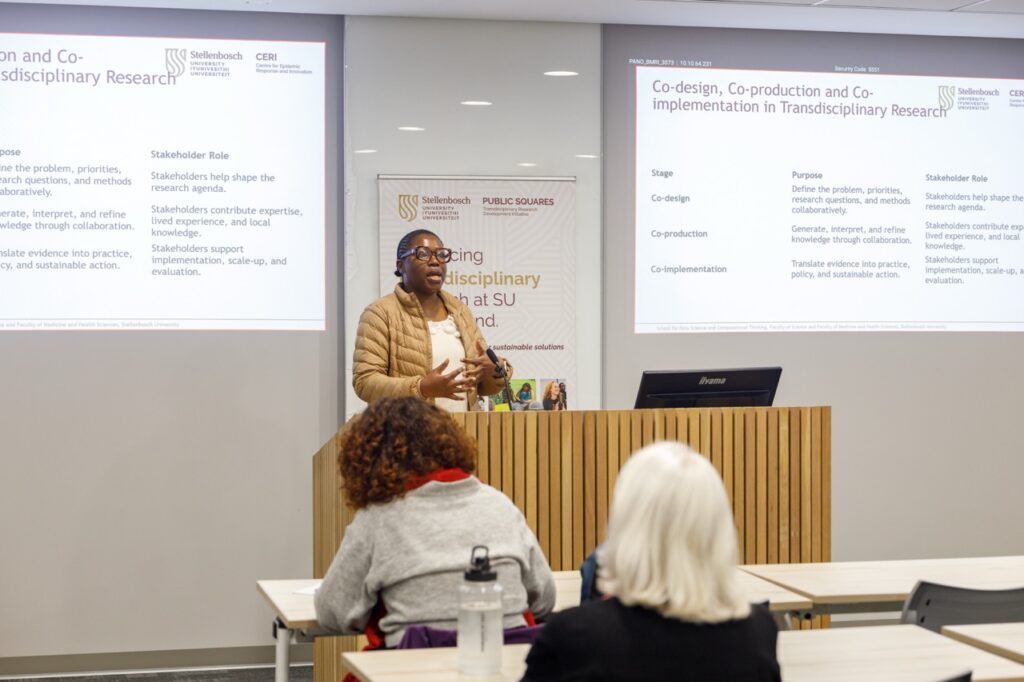
Text: Ameera Crew, Images: Robyn-lee Abrahams
News date: 2026-08-26
Links:
KRISP has been created by the coordinated effort of the University of KwaZulu-Natal (UKZN), the Technology Innovation Agency (TIA) and the South African Medical Research Countil (SAMRC).


Location: K-RITH Tower Building
Nelson R Mandela School of Medicine, UKZN
719 Umbilo Road, Durban, South Africa.
Director: Prof. Tulio de Oliveira