
Welcome, New STARS!
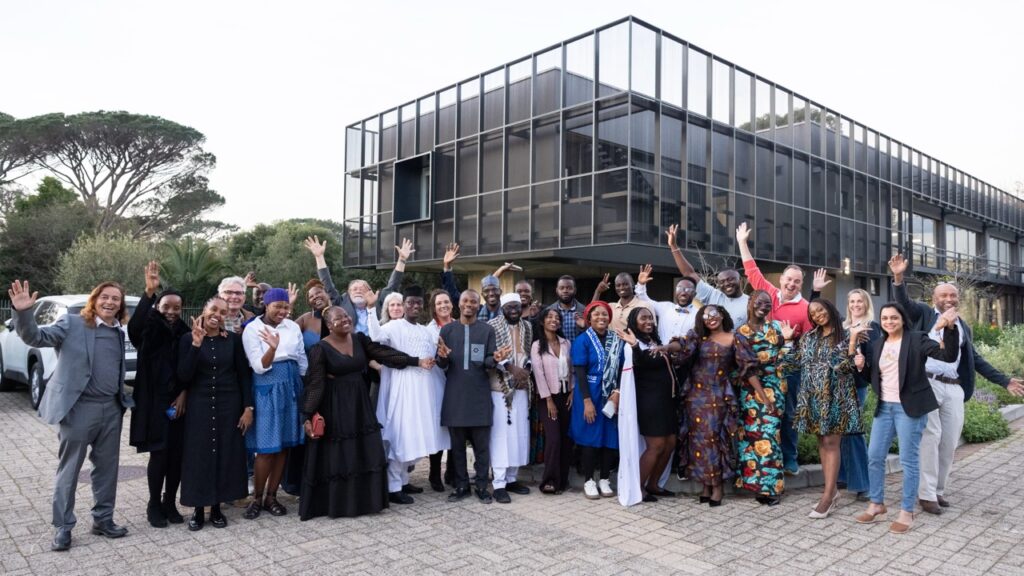
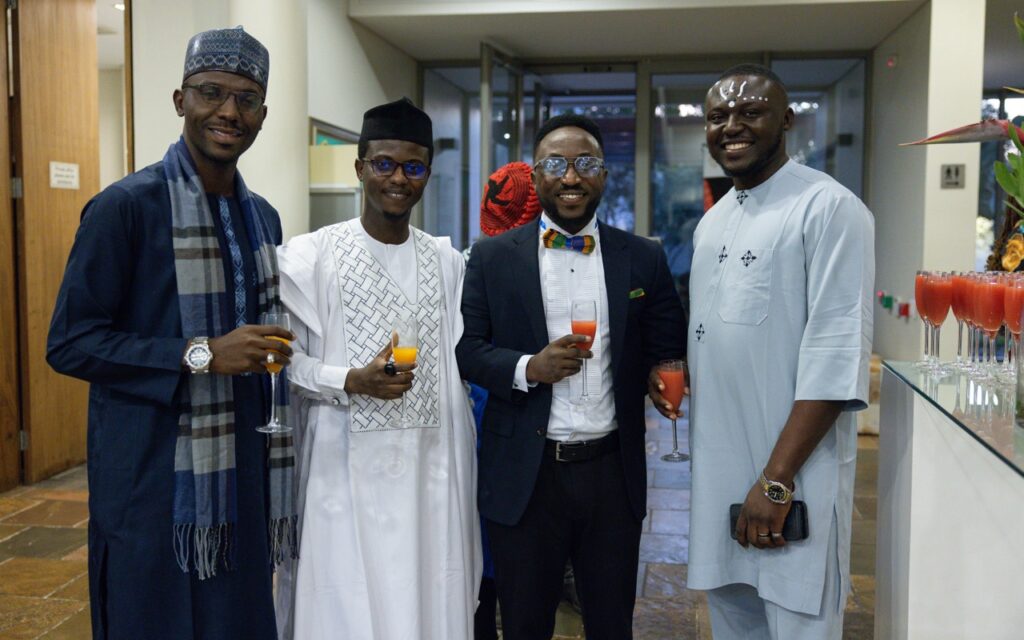
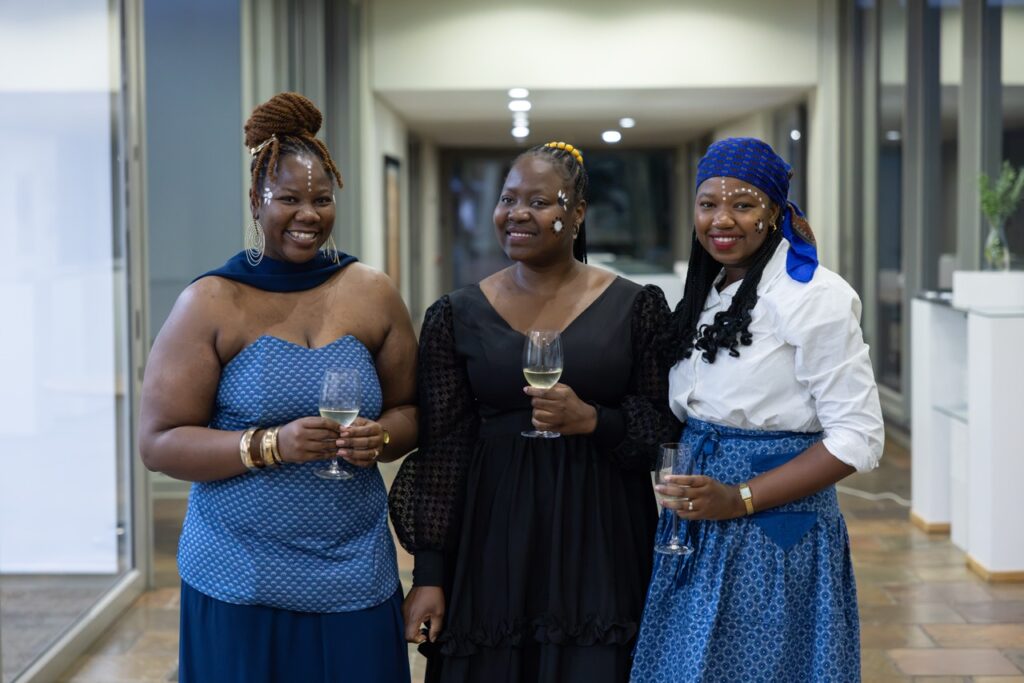
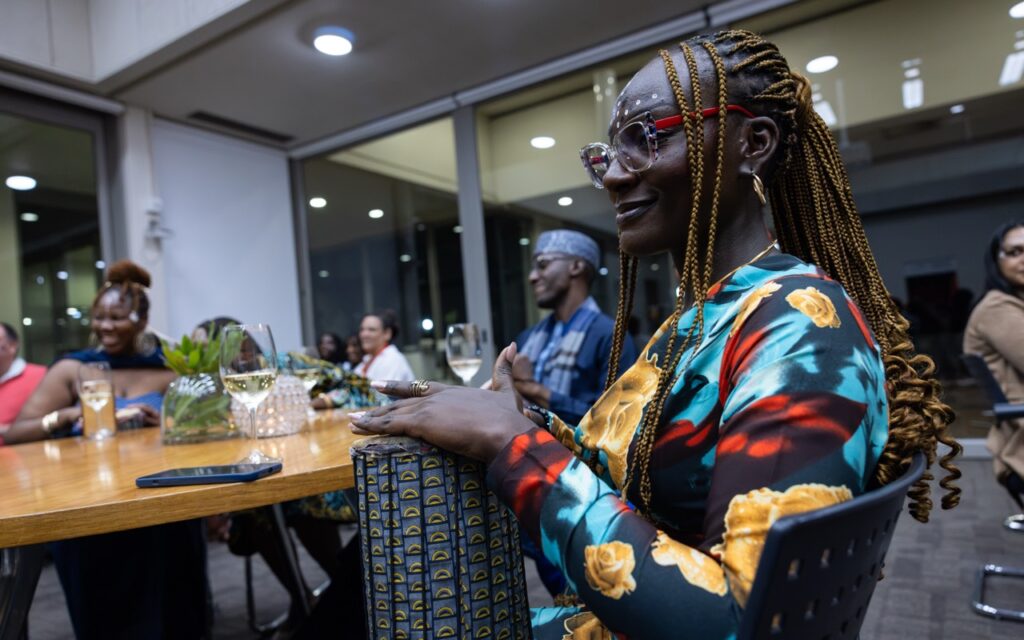
At a welcome dinner, the fellows already in town gathered at the Stellenbosch Institute for Advanced Study (STIAS), arriving in festive traditional dress as an African drumming session got the evening moving. It was a room full of people swapping stories, comparing notes, and figuring out where their work might overlap â already excited about the collaborations, networks, and training ahead.
This group is part of something big and hard-won. Fifty early-career scientists from 20 African countries make up the 2026 African STARS cohort, selected through a highly competitive process that drew applications from across the continent. Twenty-four are based at CERI in Stellenbosch, with the remaining 26 at the Center for Africaâs Resilience to Epidemics (CARE), hosted by the Institut Pasteur de Dakar in Senegal. The Stellenbosch group includes 14 fellows in the Advanced and Translational Training (ATT) track and 10 in the Young Professional Programme (YPP).
CERIâs Director, Prof Tulio de Oliveira, welcomed the group warmly. âWe are delighted to have you in the African STARS family. I canât wait to see what you will achieve,â he said.
For Dr Doreen Lugano, a cell and molecular biologist from Kenya, the fellowship is a chance to grow in more than one direction at once. âI would like to advance my expertise in genomics towards innovations that will improve our understanding of infectious diseases and provide platforms for more African scientists. As an early-career researcher, I am also keen on gaining leadership skills in financial and people management, as well as grant writing skills that would be key to performing independent work.â
Flywell Kawonga, a Malawian PhD candidate in virology at the University of Liverpool and the Malawi-Liverpool Wellcome Programme, thinks about his work in similarly personal terms. To him, every genome tells a story worth following â he describes it as âa roadmap to better healthâ â and heâs hoping the fellowship helps him turn that kind of genomic insight into diagnostics, vaccines, and disease control strategies built by and for Africa.
Prof Sibusiso Moyo, Deputy Vice-Chancellor: Research, Innovation and Internationalisation at Stellenbosch University, put a question to the room that got people thinking out loud. âWhat are some of our greatest challenges as a continent?â Answers came back quickly â limited resources, sustainability, human capital, health, and more. âThrough this programme, we can contribute to solving these challenges,â she told them. âBuild relationships with your facilitators and fellow STARS, but also look out to understand who are the potential partners in your ecosystems and area back home that you can reach out to for collaboration.â
Prof Kanshukan Rajaratnam, Director of the School for Data Science and Computational Thinking at Stellenbosch University, offered the fellows three things to hold onto for the year ahead: reflection, network, and ambition. âFirstly, reflection. Use this time to think about your growth, where you want to be, and how you want to relate to people both personally and professionally. Secondly, network â not just within your group, but across the university, the town, and beyond. The more people you meet, the more you get out of it. Thirdly, we want to solve big problems, not small ones â and that means transdisciplinary work, drawing on many different skills and perspectives.â
Elizabeth Lubinda, a maternal and newborn health epidemiologist from Zambia entering the Young Professional Programme, sees her own path in similar terms â less about staying in the lab, more about getting research to actually reach people. âThis fellowship brings together science, biotechnology, entrepreneurship, and leadership to transform evidence into impact. I am excited to learn, collaborate, and contribute to innovations that improve health across Africa and beyond.â
The fellows have now started their journey of scientific training, leadership development, mentorship, and industry engagement, working alongside researchers, innovators, and entrepreneurs to turn their science into things that actually reach people â products, policies, ventures that respond to Africaâs health challenges.
The new cohort has already started building the kind of connections this year is meant to run on. As Dr Doreen Lugano put it, âUnity is strength. The transfer of knowledge, collaboration, and mentorship are how we move forward towards a better world.â
News date: 2026-09-03
Links:
KRISP has been created by the coordinated effort of the University of KwaZulu-Natal (UKZN), the Technology Innovation Agency (TIA) and the South African Medical Research Countil (SAMRC).


Location: K-RITH Tower Building
Nelson R Mandela School of Medicine, UKZN
719 Umbilo Road, Durban, South Africa.
Director: Prof. Tulio de Oliveira