
Unlocking Africa's Microbial Wealth for Women's Health
Text: Prof Jo-Ann Passmore, Director, Women's Health Programme
Centre for Epidemic Response and Innovation (CERI), Stellenbosch University
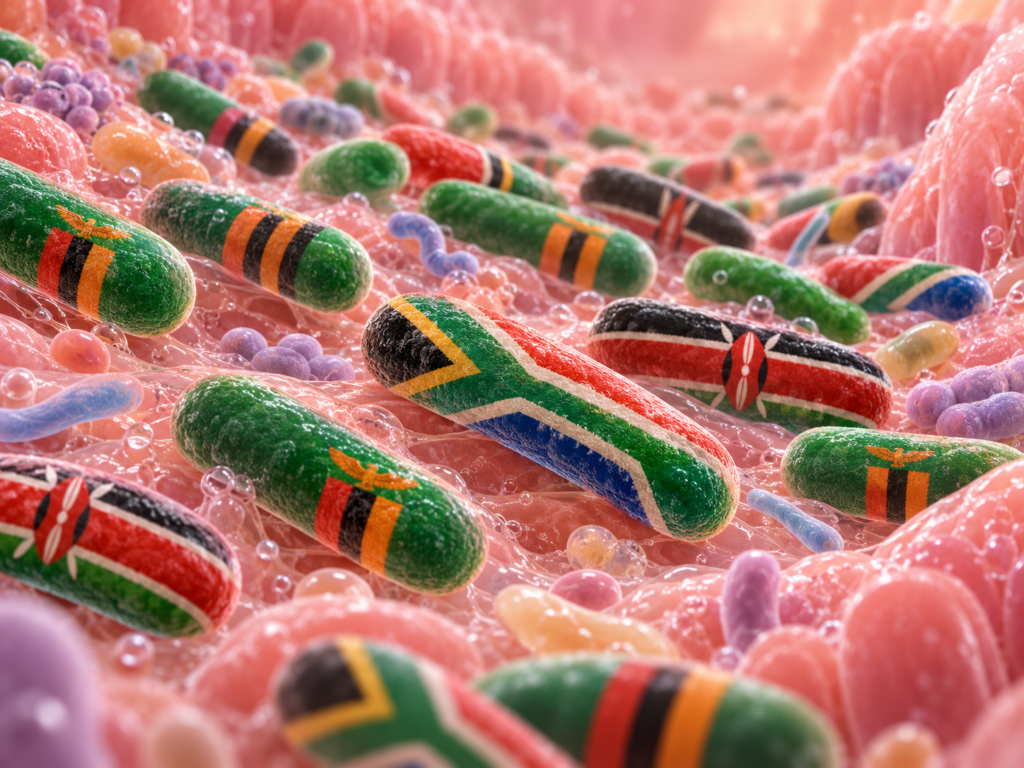
Africa is home to extraordinary human genetic and microbial diversity, yet less than 2% of the bacterial strains held in global culture collections originate from the continent. This imbalance has serious implications for women's health, particularly given the enormous burden of reproductive health conditions such as HIV, bacterial vaginosis (BV), HPV-related disease, cervical cancer, and adverse pregnancy outcomes.
The vaginal microbiome, the community of microorganisms that naturally live in the vagina, plays an important role in protecting against many of these conditions. Yet much of what we know about it comes from studies in Europe and North America, where the microbial, genetic, and environmental contexts can differ significantly.
We are therefore trying to understand and treat African women using an incomplete biological reference. Diagnostics, probiotics, and other therapies are only as good as the biology on which they are developed. If African women are poorly represented in the underlying science, there is a real risk that these products will not work as well for them.
This was a central message of my presentation at the Global Microbiome Conservancy Meeting, where I highlighted the need for African-led microbiome research, locally governed biobanks, and manufacturing capacity.
Vaginal probiotics and live biotherapeutics, which use living microorganisms to prevent or treat disease, offer promising possibilities for restoring vaginal health. However, an effective bacterial strain must do more than survive in a laboratory. It must compete, persist, and function within a complex vaginal ecosystem.
Many strains used in current live biotherapeutics were originally isolated from women in Europe or North America. They may not be best adapted to vaginal environments in African women, where microbial diversity may be greater, BV-associated bacterial communities more resilient, and physiological exposures such as menstruation and semen frequent.
A strain may perform well in the laboratory but fail to persist after treatment. This is why identifying bacteria from African women who naturally maintain stable, protective vaginal microbiomes is so important. These strains have already demonstrated their ability to survive in that environment.
We established the Vaginal Microbiome Research Consortium for Africa (VMRC4Africa) in 2021 to ensure that African women and scientists participate in microbiome discovery from the beginning, rather than simply providing samples for research conducted elsewhere.
Our work focuses on three areas. First, through partnerships with the Desmond Tutu Health Foundation in Cape Town (Dr Katherine Gill and Prof Linda-Gail Bekker) and the Kenya Medical Research Institute (KEMRI) in Kisumu (Dr Serah Gitome and Prof Elizabeth Bukusi), we have established longitudinal cohorts in which women are followed weekly over ten weeks, providing two vaginal samples per week. This helps us understand how vaginal microbiomes change and which protective strains remain stable.
Second, we are building African bacterial strain collections for reproductive health. Under the leadership of the ever talented but humble Dr Brian Kullin, soon to be joining CERI as Associate Professor, we have already isolated thousands of vaginal bacteria, including potentially important Lactobacillus strains and bacteria associated with BV.
Third, we are testing how these strains function, including their ability to produce protective metabolites, inhibit harmful bacteria, support the mucosal barrier, reduce inflammation, and withstand physiological stresses.
Our goal is to move beyond describing the African vaginal microbiome towards identifying strains that could eventually become new live biotherapeutic products.
However, scientific discovery is only part of the challenge. Biobanking, patent regulations, and manufacturing infrastructure all influence whether African research can progress into treatments.
For me, one of the biggest barriers is local manufacturing. Africa has the scientific expertise, clinical cohorts, and laboratory capacity to discover promising bacterial therapeutic strains, but developing these into clinical-grade products still depends largely on specialised manufacturers in Europe or North America.
This creates prohibitive costs, delays, and questions around ownership and biological sovereignty. African biological material often has to leave the continent before it can become a product.
We need investment in African Good Manufacturing Practice (GMP) capacity for live biotherapeutics, including fermentation, formulation, and quality control. Without it, we risk remaining dependent on others to turn our discoveries into medicines. Strengthening local biobanking and addressing international patent regulations are also essential to protecting Africa's microbial resources.
Looking ahead five years, success for African women would mean access to affordable, effective treatments for conditions such as recurrent BV. Ideally, these would do more than repeatedly suppress harmful bacteria with antibiotics, helping instead to restore and maintain a healthy vaginal microbiome.
I am grateful to have helped develop the VIBRANT live biotherapeutic product to treat bacterial vaginosis in women, which included novel vaginal Lactobacillus crispatus strains from African women. Seeing it progress through clinical development and demonstrate lasting benefits would be an important achievement, but affordability must remain central.
For African science, success would mean establishing the entire development pathway on the continent: discovery, strain isolation, functional testing, clinical development, and eventually manufacturing.
Ultimately, I want African scientists to be recognised not simply as partners who recruit participants or provide samples, but as leaders discovering, developing, and testing the next generation of microbiome-based medicines.
Africa's microbial diversity is an extraordinary scientific resource. Our responsibility is to ensure that African women benefit from it and that African scientists have the infrastructure, resources, and opportunities to lead this work.
Watch Prof Passmore's presentation at the Global Microbiome Conservancy Meeting here
News date: 2026-11-05
Links:
KRISP has been created by the coordinated effort of the University of KwaZulu-Natal (UKZN), the Technology Innovation Agency (TIA) and the South African Medical Research Countil (SAMRC).


Location: K-RITH Tower Building
Nelson R Mandela School of Medicine, UKZN
719 Umbilo Road, Durban, South Africa.
Director: Prof. Tulio de Oliveira