
Empowering Science Teachers
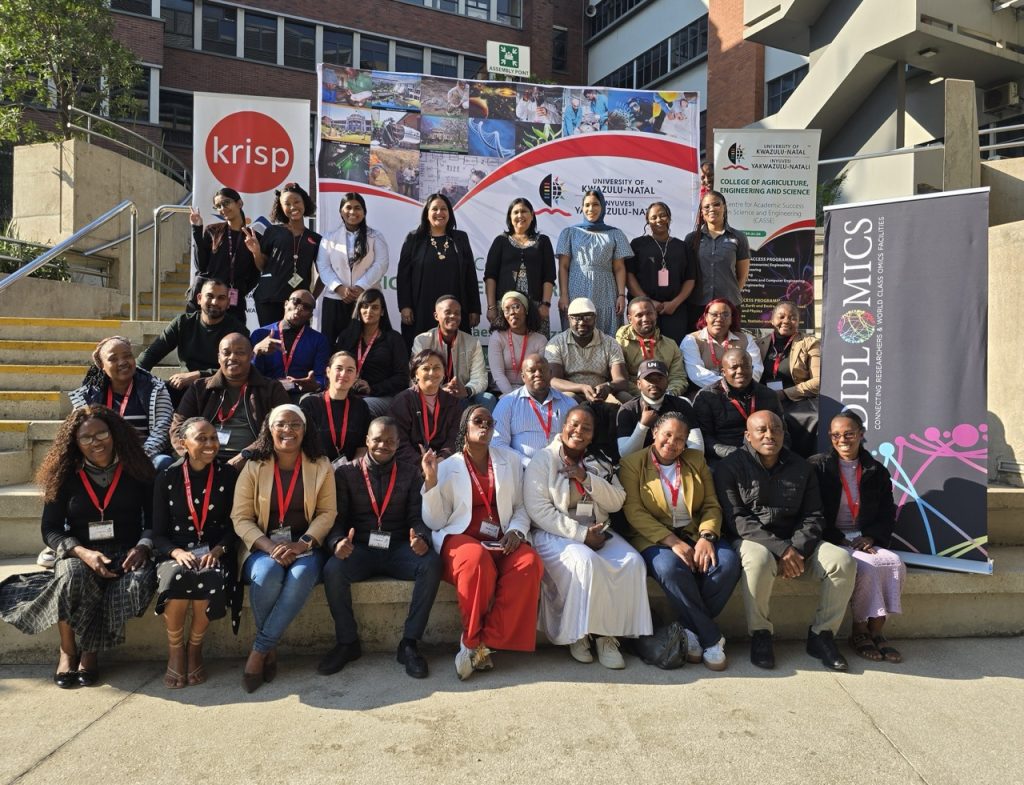
On 23 June, KRISP welcomed 28 Life Sciences teachers from across KwaZulu-Natal for a professional development workshop designed to strengthen links between classroom teaching and the fast-evolving field of genomics.
The teachers, who serve as cluster leaders in their districts, attended as part of a programme coordinated by the UKZN Science Centre. Through hands-on activities, they explored how the Life Sciences curriculum connects to pathogen genomics, human genetics and public health.
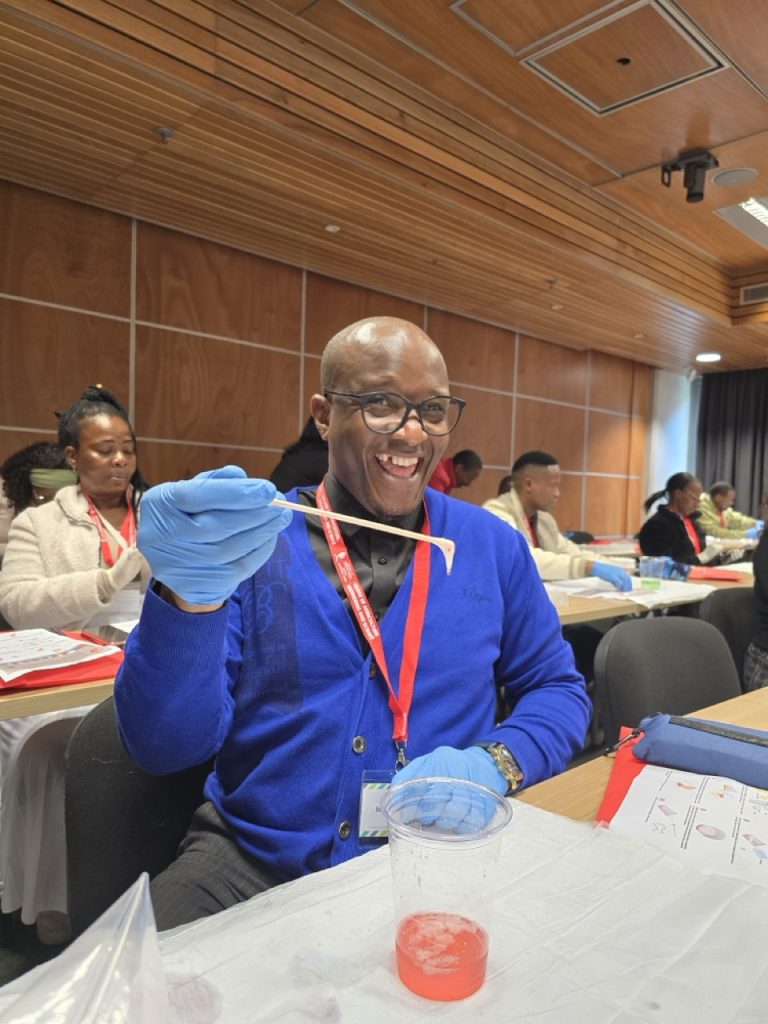
Participants extracted DNA from strawberries using household items to observe DNA with the naked eye, before tackling a forensic investigation demonstrating how genetics can solve real-world mysteries.
“It was great to see the teachers engaging with the hands-on opportunities and extending themselves,” said Lexia Naidoo, Manager of the UKZN Science Centre.
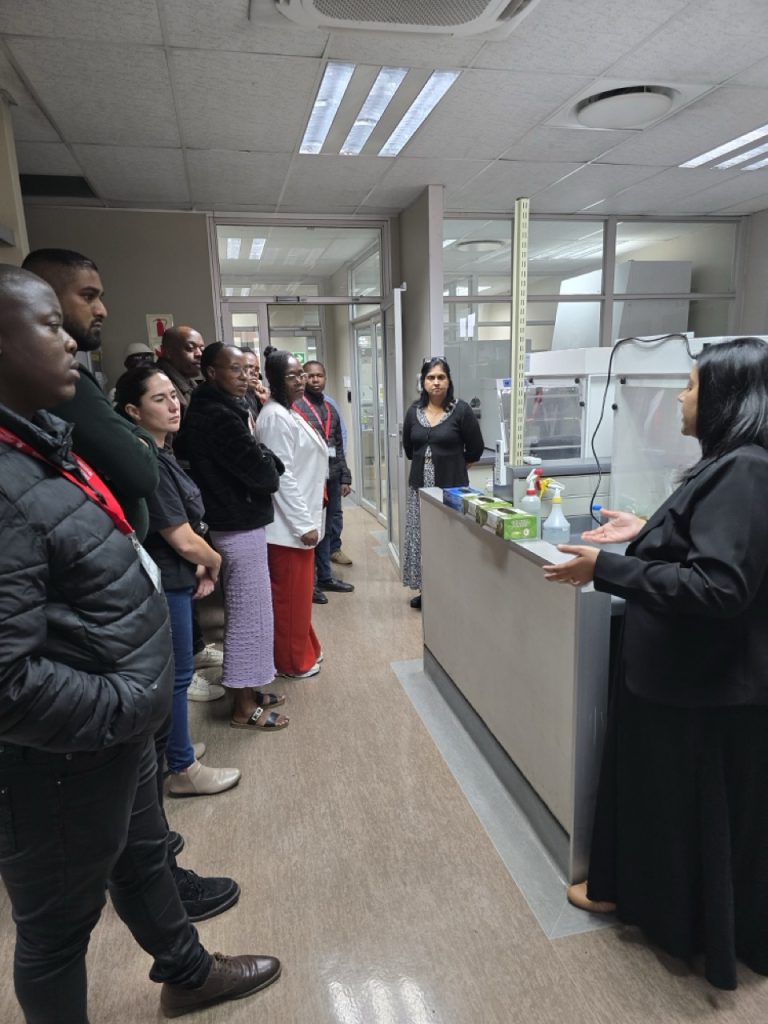
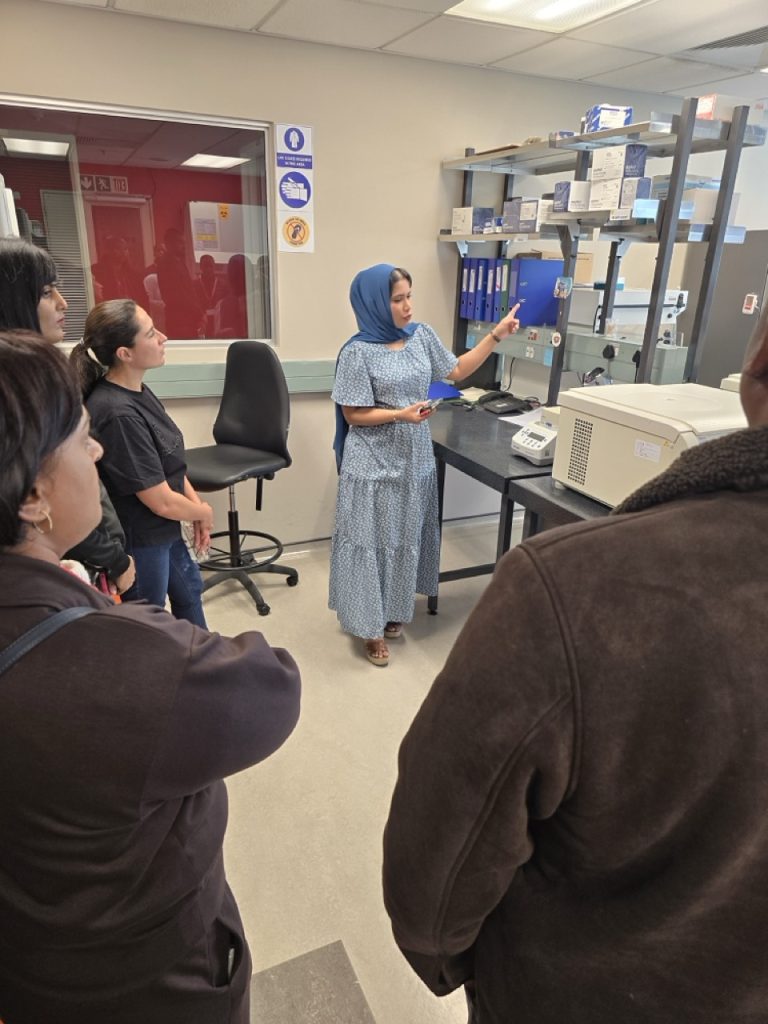
The day concluded with guided tours of KRISP’s laboratories and discussions on strengthening collaboration between KRISP, UKZN and the Department of Education to support Life Sciences teaching.
“It was very rewarding to know that these teachers will go on to positively impact so many learners,” said Dr Jennifer Giandhari. “We hope this practical workshop and laboratory tour will extend their classroom toolkits.”
Supported by DIPLOMICS, the Technology Innovation Agency and UKZN, the workshop reflects KRISP’s commitment to building scientific capacity by empowering the educators who inspire tomorrow’s scientists.
text & photos: Paul Harris
News date: 2026-07-31
Links:
KRISP has been created by the coordinated effort of the University of KwaZulu-Natal (UKZN), the Technology Innovation Agency (TIA) and the South African Medical Research Countil (SAMRC).


Location: K-RITH Tower Building
Nelson R Mandela School of Medicine, UKZN
719 Umbilo Road, Durban, South Africa.
Director: Prof. Tulio de Oliveira