
Beyond the Breakthrough: What comes next for African HealthTech?
Africa is not short of health innovation. From artificial intelligence that can help frontline healthcare workers screen for tuberculosis to prosthetic knees designed specifically for African amputees, new technologies are being developed around some of the continent’s most pressing healthcare challenges.
But a good idea, even one backed by strong science, does not automatically become a product that reaches patients.
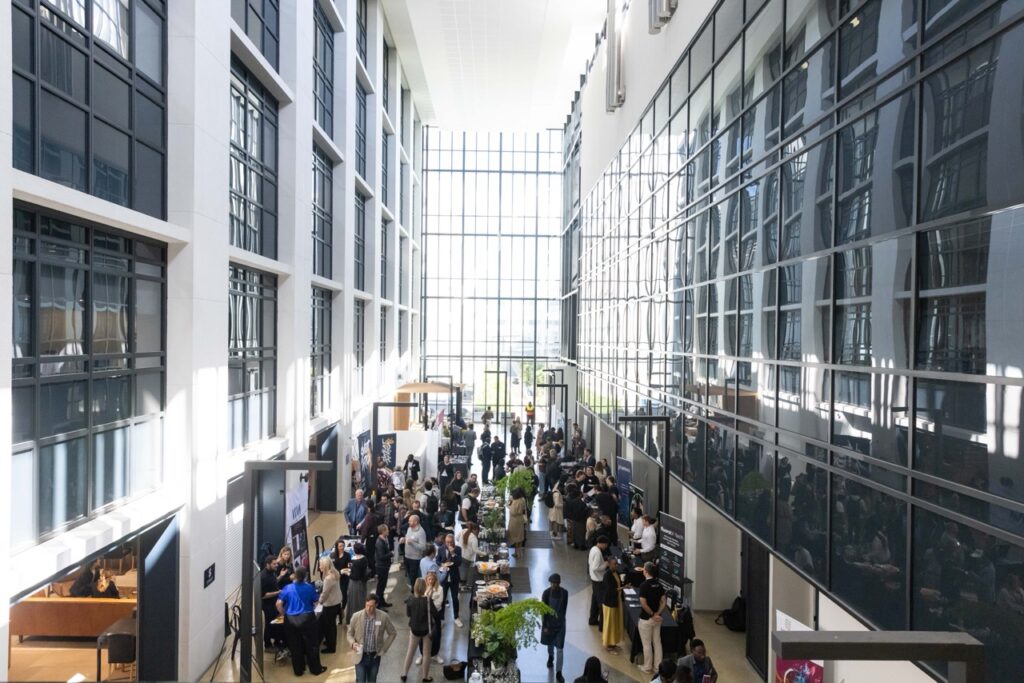
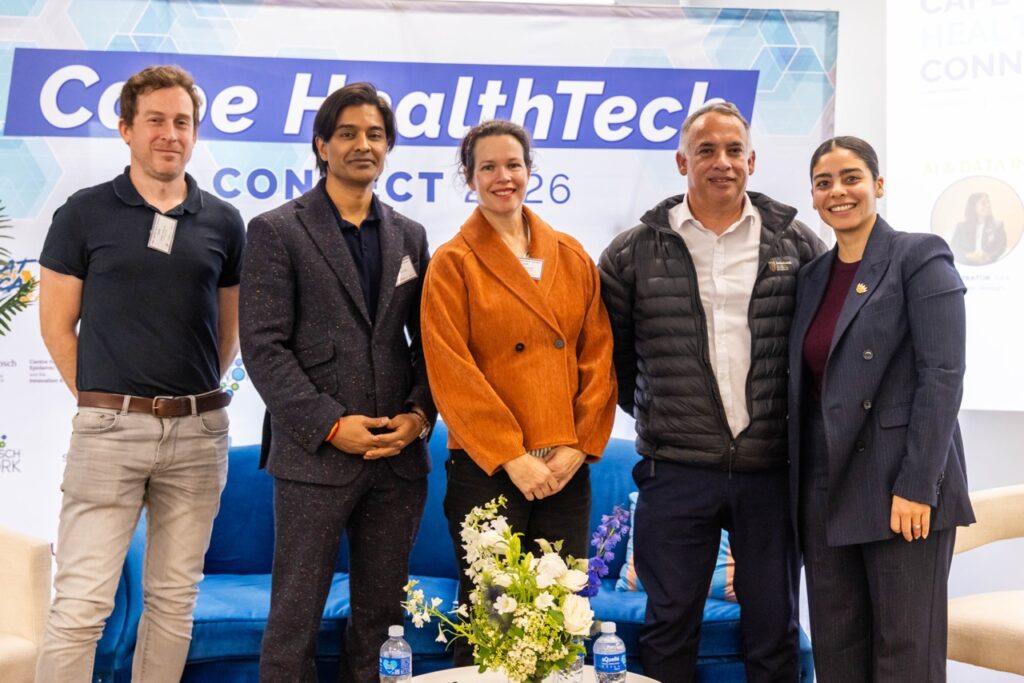
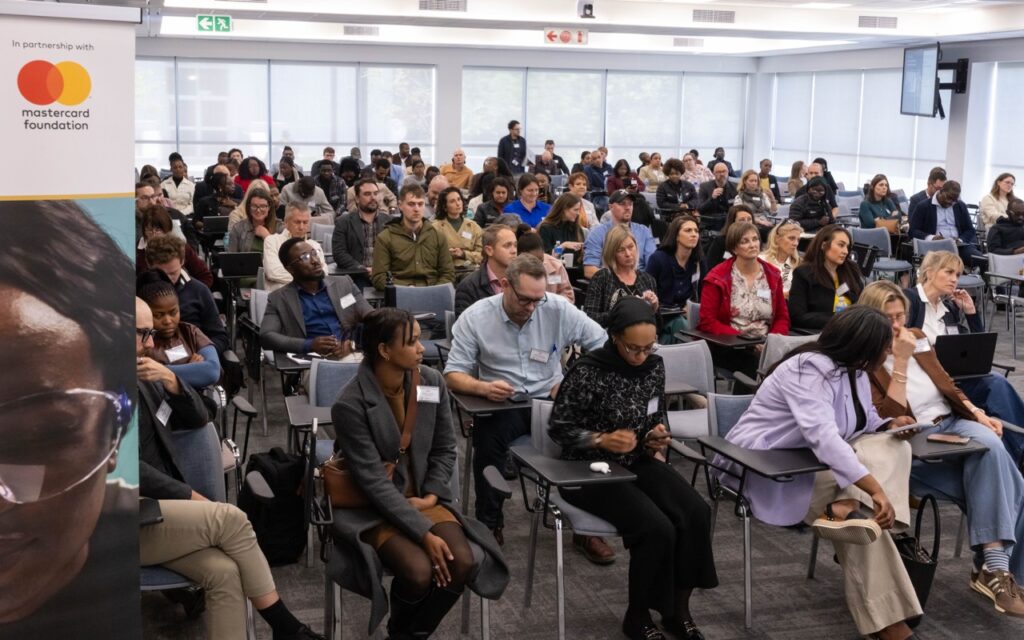
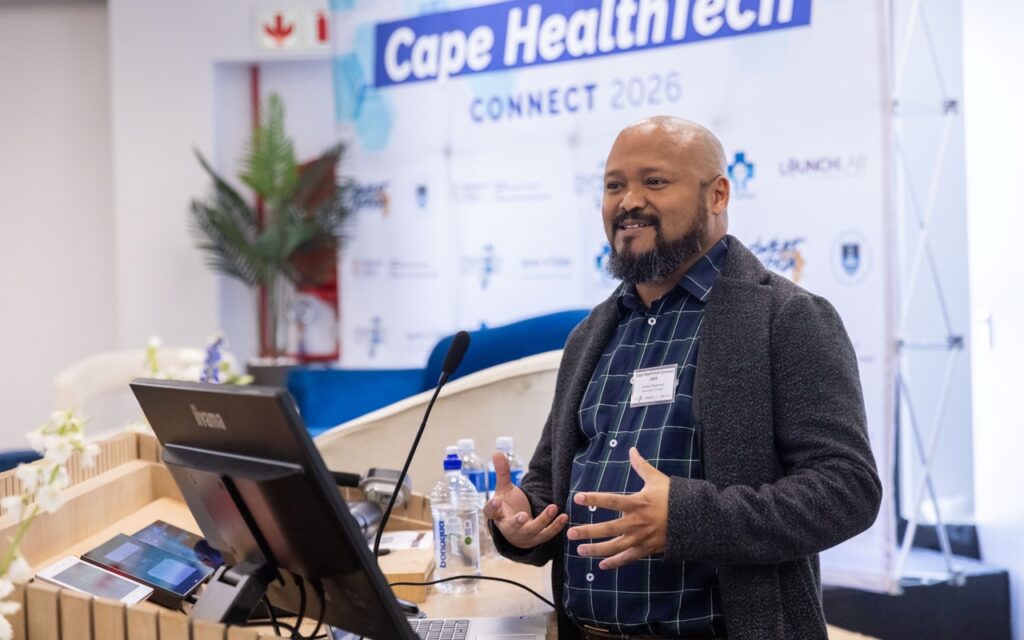
That gap between innovation and impact emerged as a central theme at Cape HealthTech Connect 2026, held at Stellenbosch University’s Biomedical Research Institute (BMRI) in Cape Town on Thursday, 17 September.
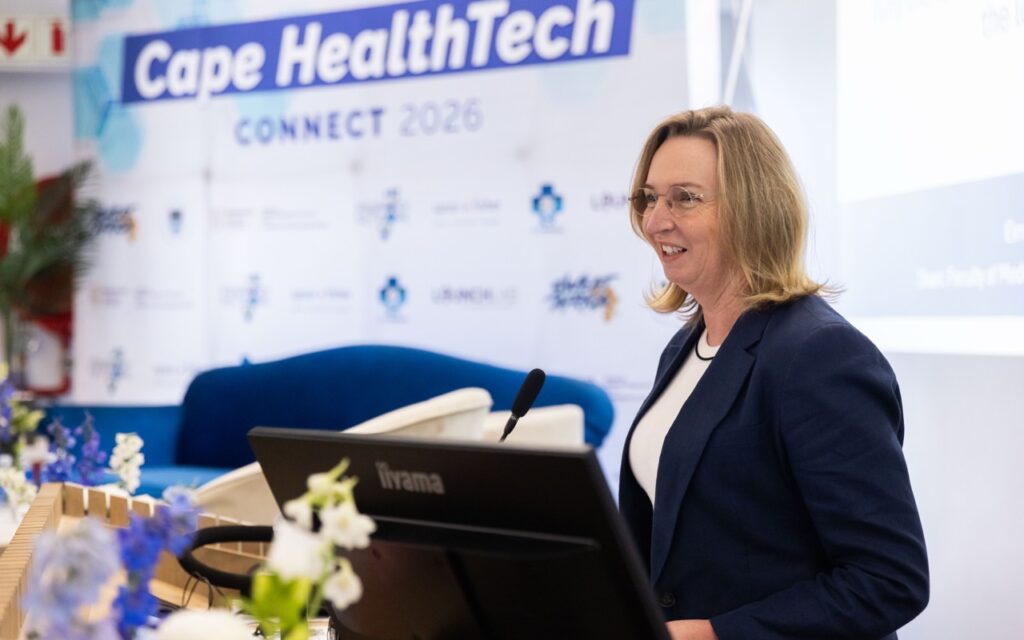
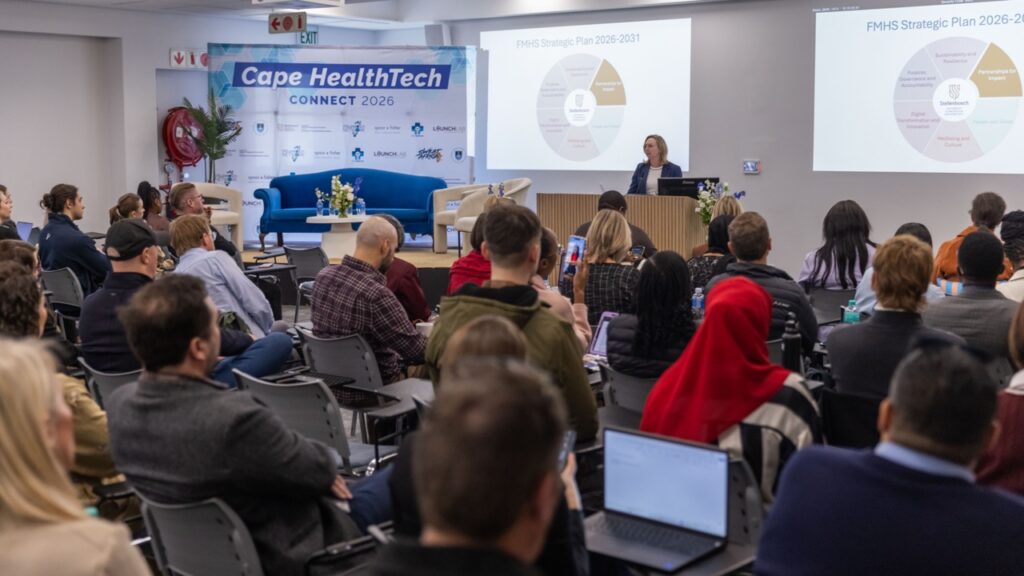
Opening the event, Professor Elmi Muller, Dean of Stellenbosch University’s Faculty of Medicine and Health Sciences, described this as the difficult “last mile” of health innovation.
“If you think of health innovation as a river running through sand towards the sea, many promising ideas simply run dry before they get there,” she said. “There is plenty of energy and innovation, but the last mile is often the longest.”
Muller pointed to incentive systems that reward clinical care and academic achievement more than innovation, heavy service loads, and a “missing middle” of funding, support, technical expertise, and connections needed to take an idea into practice.
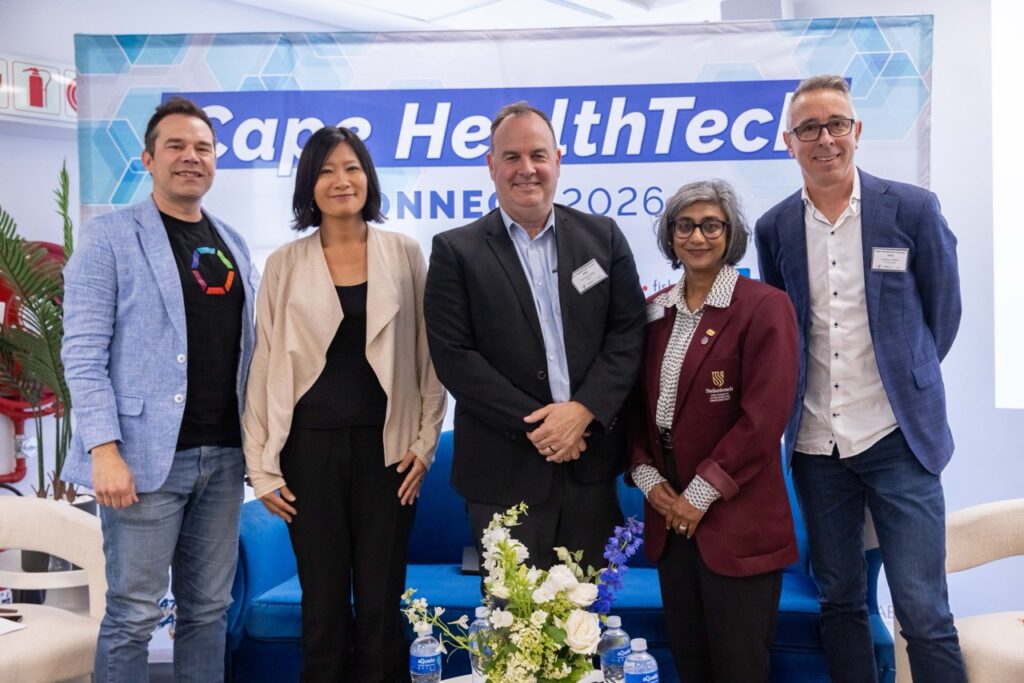
Those challenges shaped the day’s programme, which included two panel discussions – Funding the pipeline: Investors, grants & the innovation challenge and AI and data in African healthcare: Built for our context – alongside eight pitches from emerging healthtech ventures.
More than money
Funding is critical to getting health innovations into use, but speakers on the first panel cautioned against treating it as the only missing ingredient.
Dr Richard Gordon, head of the South African Medical Research Council’s (SAMRC) Grants, Innovation and Product Development Unit, argued that funding itself is not necessarily as scarce as entrepreneurs assume.
“There is a lot of money around, but people are often looking in the wrong places,” he said, advising entrepreneurs to diversify their funding sources and look beyond just government.
For university innovations, another challenge is the distance between research and what potential users need. “There is often a gap here,” said Ravini Moodley, Director of Stellenbosch University’s Innovus Technology Transfer Office. “We need to help researchers shape their questions around what industry and the market can actually use, and encourage those conversations much earlier.”
Moodley also highlighted the need for translational funding to support technologies through the multiple steps required to reach market.
For Jonathan Wilson, Partner at Third Way Capital, commercial viability is critical. “If the market is not willing to buy a technology, it won’t ultimately make the impact it needs to make,” he noted.
Rowena Luk, CEO of Africa Health Ventures, agreed that impact and commercial viability need to work together, but broadened the issue beyond investment.
“The question is, with the new generation of technology that is arising with this new era of AI and other biotech-enabled innovations, how do we ensure that the rate of adoption is keeping up with the speed of the technology?”
Policymakers, companies, investors, healthcare institutions, and individuals willing to test new technologies all have a role to play, she said.
From innovation to investment
AI Diagnostics provides one example of how some of those pieces can come together. The South African healthtech company has developed an AI-enabled stethoscope designed to help frontline healthcare workers improve diagnostic and screening accuracy, initially focusing on tuberculosis.
Co-founder, Chairman and CTO Johan Coetzee said the idea grew from the reality that many South Africans encounter a nurse or community healthcare worker before seeing a doctor.
But developing the technology was not the hardest part. Medical-device companies require substantial capital before generating revenue, Coetzee explained, while founders must navigate regulation and commercialisation – particularly challenging for those without a commercial background.
They also need to understand “what actually the client would want”, including being prepared to drop features customers do not value.
AI Diagnostics’ relationship with Africa Health Ventures shows what an investor can contribute beyond capital. Luk recalled that the company approached the fund cold through its website. “We looked at the product, and it was compelling,” she said.
After meeting AI Diagnostics CEO Braden van Breda, she was also impressed by his understanding of the technology, disease area, and potential markets. Africa Health Ventures became AI Diagnostics’ first non-South African investor and helped connect the company internationally, including with the global TB community.
Designed for African realities
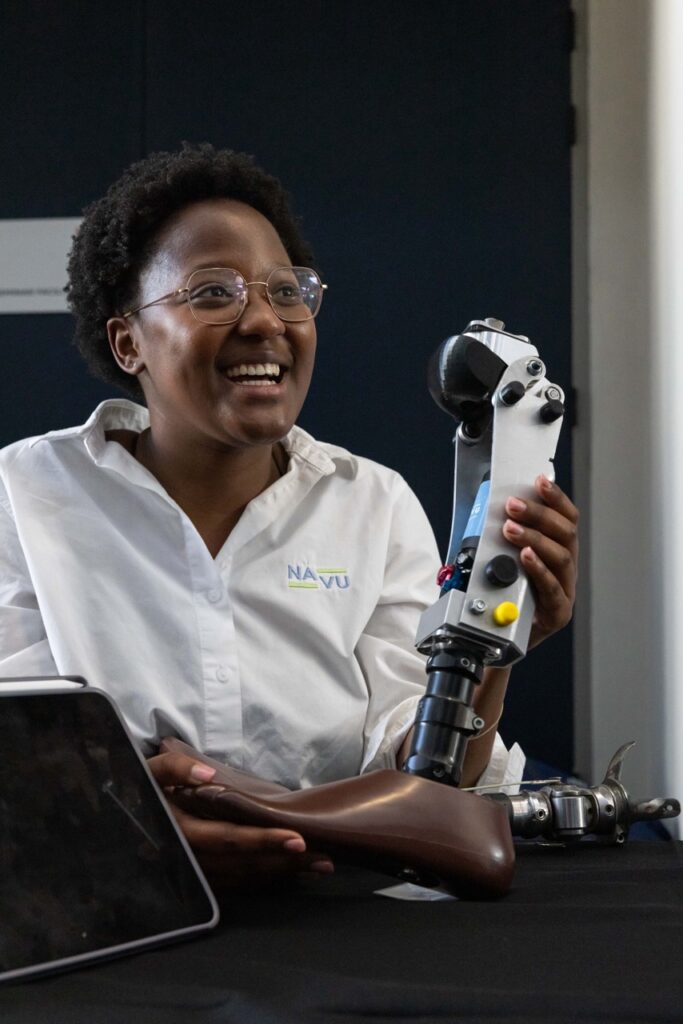
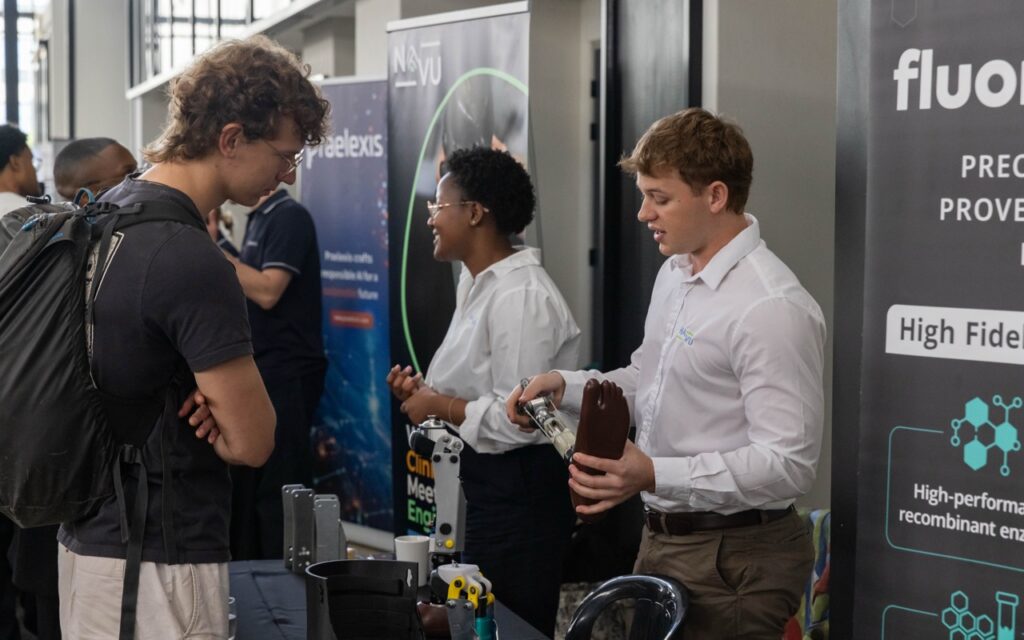
Navu Mobility is at a different point in that journey. The company has developed the Navu Knee, a polycentric prosthetic knee designed around the needs of amputees in African settings, with durability, repairability, longevity, accessibility, and affordability built into the product.
“We’re trying to look at those problem cases, which spread across the continent, and say: let’s develop prosthetic components that address those problems specifically,” said Amohetsoe Shale of Navu Mobility.
Navu is now testing and validating the knee ahead of medical-device registration. “With our goal for commercialisation, it’s not just about making money and becoming a company, but rather getting the prosthesis to the people who need it the most,” Shale said.
Since participating in Cape HealthTech Connect last year, Navu has become an official Stellenbosch University spin-out, secured millions of rand in funding, tested the knee with an amputee, incorporated user feedback, and moved through four prototype iterations. It also met one of its current product-development partners at the event.
“I think those conversations with people in the industry also give you a feel of where the industry is going and how to follow that trajectory in order to be moving in the right direction,” noted Shale.
Built for the context
The need to develop technologies around African realities was echoed during the second panel, where Professor Sara Grobbelaar from Stellenbosch University’s Department of Industrial Engineering argued that technologies should be developed with the people and systems that will use them.
“We need to make sure that AI innovation is designed for Africans and for Africa’s realities, rather than simply importing solutions from the Global North,” she said.
Professor Regan Solomons, Executive Head of Stellenbosch University’s Department of Paediatrics and Child Health, said AI could help relieve pressure on overstretched healthcare workers, but stressed the importance of ensuring that tools are appropriate for the populations they are intended to serve.
“The data also needs to be validated in our context,” he said, pointing to Africa’s unique populations, settings, and comorbidities.
For AI Diagnostics, those realities have influenced the technology itself.
“A large proportion of the people we want to reach don’t necessarily have reliable internet or power, so we designed our device not to depend on those things,” Coetzee said. “If you are building for Africa, those realities have to be part of the design.”
Dr Kamlen Pillay, Founder and CEO of InUversal Group, highlighted the potential for AI and data to shift healthcare towards prevention and earlier intervention, while cautioning that technological development can move faster than the ethical and legal frameworks around it.
“We need to build AI in Africa to suit the infrastructure we actually have,” he said.
Connections that move ideas forward
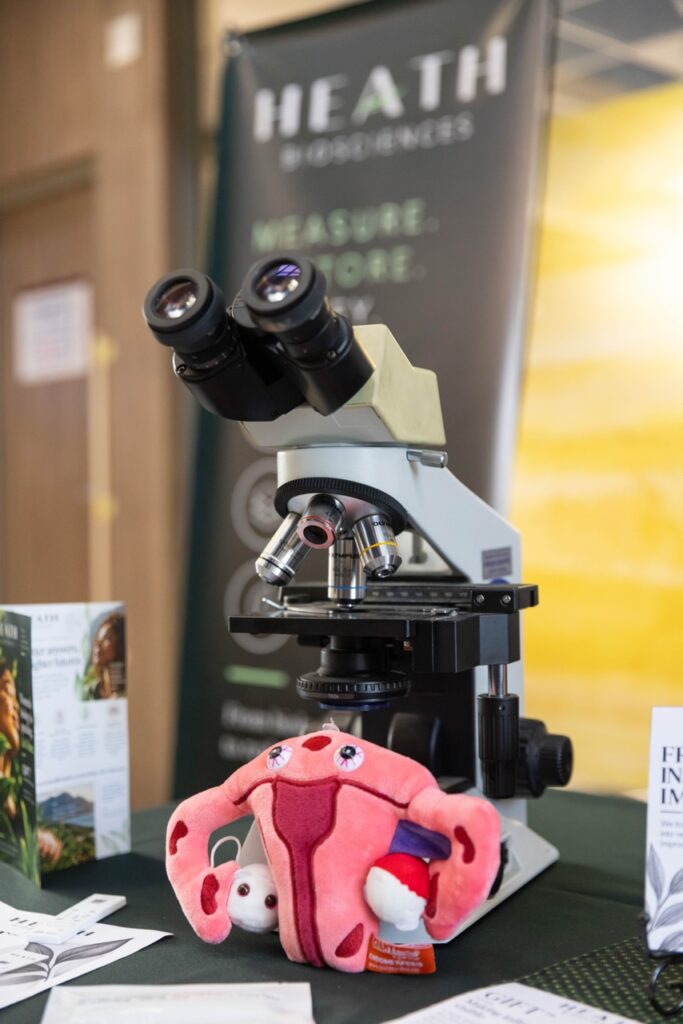
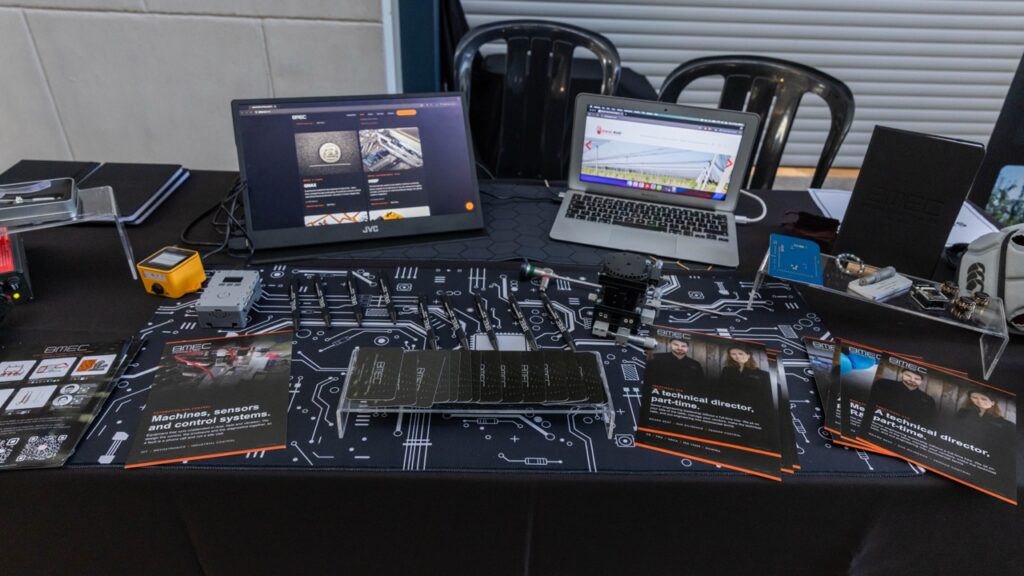
The eight ventures pitching during the day reflected the breadth of the healthtech pipeline, with technologies spanning flow cytometry analysis, antimicrobial testing, single-cell analysis, AI-assisted healthcare, needle-free injection, and neonatal growth measurement.
But Cape HealthTech Connect was not only about showcasing technologies. It also brought together the people needed to help move them forward, with collaboration across research, industry, investment, and government emerging as an important part of translating innovation into impact.
Luk highlighted the value of a dedicated healthtech convening that brings these stakeholders together, and Navu provides a tangible example: a connection made at last year’s event developed into a product-development relationship. For Coetzee, whose company is no longer urgently seeking investment, returning offers a chance to see what new ventures are emerging and explore potential collaborations.
Getting innovation the rest of the way
The technologies showcased at Cape HealthTech Connect are at different stages, with different needs – from validation and regulatory approval to funding, market access, and health-system adoption.
As Muller put it: “We can’t ask industry to meet us halfway if we can’t build the bridge.”
By Katrine Anker-Nilssen
Photos: CERI Media, Charlie Sperring
News date: 2026-09-18
Links:
KRISP has been created by the coordinated effort of the University of KwaZulu-Natal (UKZN), the Technology Innovation Agency (TIA) and the South African Medical Research Countil (SAMRC).


Location: K-RITH Tower Building
Nelson R Mandela School of Medicine, UKZN
719 Umbilo Road, Durban, South Africa.
Director: Prof. Tulio de Oliveira