
Data, Decisions, Diagnosis
Cervical cancer is the second most common cancer among South African women, and one of the most preventable. For decades, the true state of the national screening programme was obscured by fragmented data and a habit of counting Pap smears rather than tracking the women behind them. That is changing.
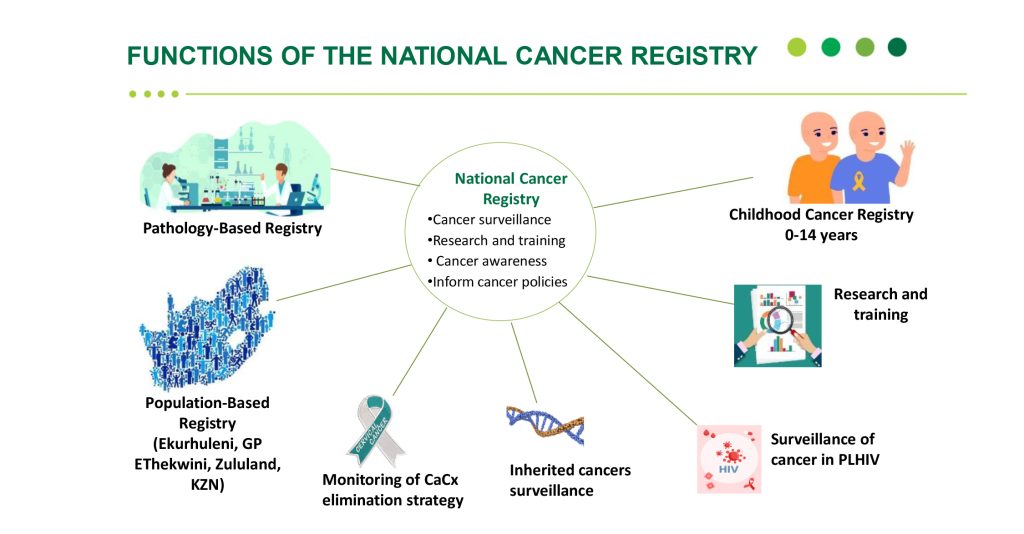
At a SACEMA seminar on 10 June 2026, Dr Mazvita Muchengeti, Head of the National Cancer Registry, presented findings from the South African Cervical Cancer Screening (SACCS) Cohort – the most comprehensive national surveillance study of its kind in sub-Saharan Africa. By linking NHLS laboratory data (cytology, histology, HIV tests, CD4 counts, viral load) with National Cancer Registry diagnoses, researchers built a longitudinal record of over 8.7 million women screened between 2005 and 2023.
Unlike routine counts, this dataset can answer the questions that matter: how many unique women were reached, whether they were screened within recommended intervals, and – for women living with HIV, who need three-yearly screening – how long it took from HIV diagnosis to first screen.
Of the 8.7 million women screened, 18.1% had abnormal results – 29.1% among women living with HIV (WLHIV), versus 11.6% among HIV-negative women, reflecting the link between HIV and HPV-driven disease.
The most urgent finding: the median time between a first HIV diagnosis and a first cervical smear is 9.2 years nationally. Only 6.1% of WLHIV are screened within three months of entering HIV care, and just 21.4% within the recommended three-year window.
The Western Cape tells a different story – nearly 20% of WLHIV there are screened within three months (three times the national average), with a median time-to-screen of 3.4 years versus over nine nationally. This isn’t luck; it reflects deliberate integration of screening into HIV services and stronger follow-up systems – proof the policy goals are achievable elsewhere too.
Solutions identified include automated screening prompts at HIV diagnosis, linked real-time NHLS dashboards, SMS reminders, and a unique patient identifier to track women through their full care journey. The biggest structural gap is private sector data: since SACCS only captures public lab records, women screened privately remain invisible, meaning true coverage may be higher than the data show. Closing that gap is a legal and political challenge as much as a technical one.
Education matters too. South Africa’s HIV awareness campaigns saved lives; cervical cancer has never received comparable investment, and many young women don’t know why they’re receiving the HPV vaccine. A recent mother-daughter campaign – where vaccinated daughters brought home pamphlets urging mothers to get screened – shows how simple, low-cost interventions can work.
As Dr Muchengeti put it: “We wait for women to come to the clinic.” No system yet flags a woman’s 30th birthday with a reminder to get screened. The data now exist to build one – and to make inaction harder to justify.
News date: 2026-07-31
Links:
KRISP has been created by the coordinated effort of the University of KwaZulu-Natal (UKZN), the Technology Innovation Agency (TIA) and the South African Medical Research Countil (SAMRC).


Location: K-RITH Tower Building
Nelson R Mandela School of Medicine, UKZN
719 Umbilo Road, Durban, South Africa.
Director: Prof. Tulio de Oliveira