
Reflections: From Strangers to STARS
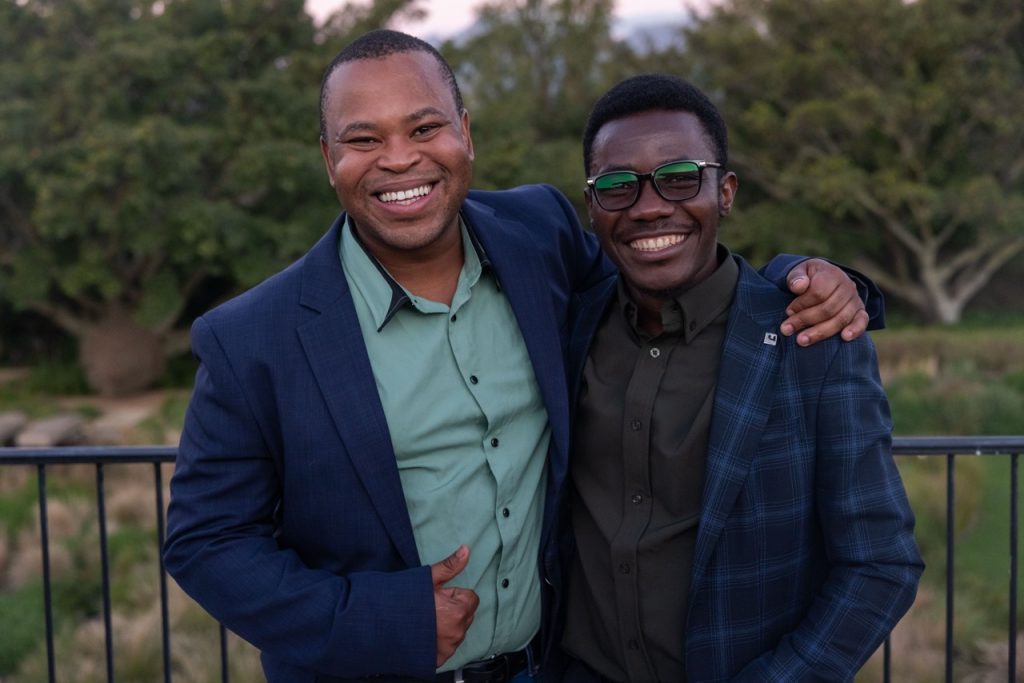
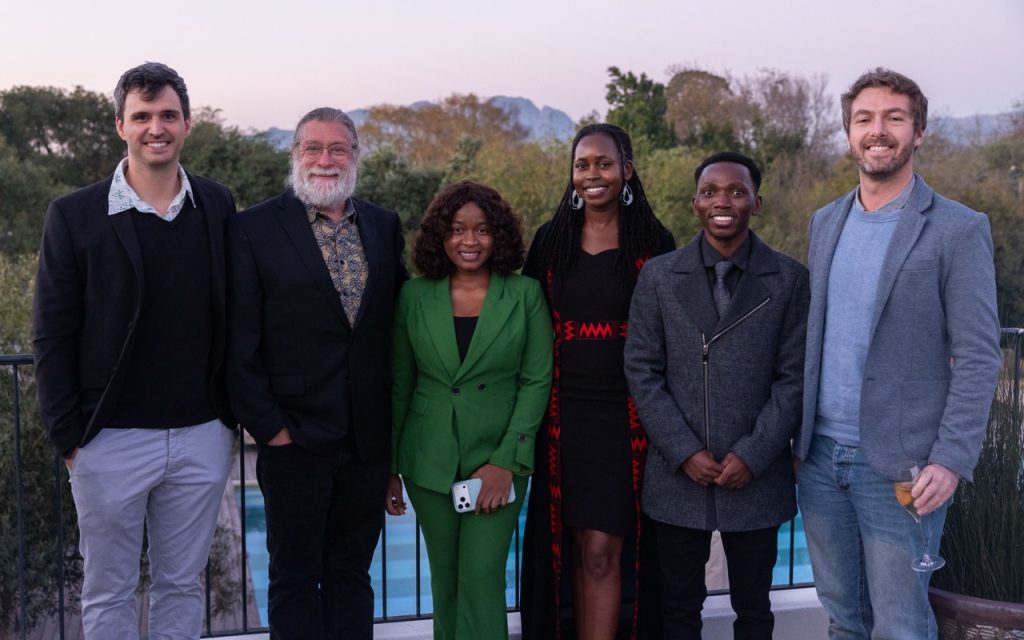
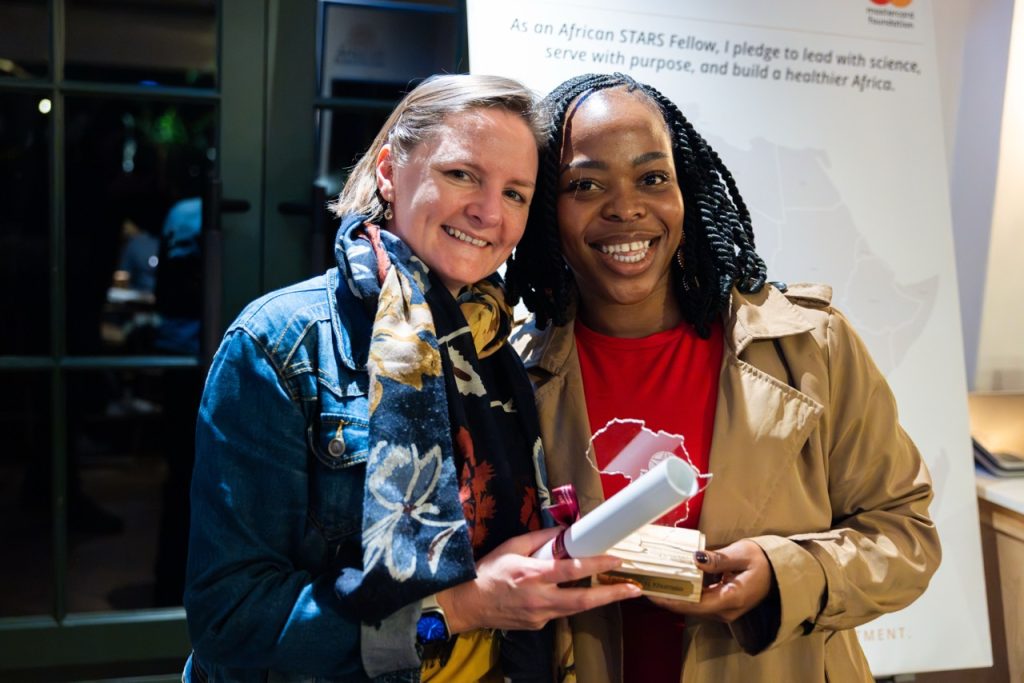
If one thread ran through every story told that morning, it was this: the fellows’ biggest takeaway was each other – the ten of them, arriving as strangers from across the continent and leaving having built a valuable network and a strong collaborative bond they look forward to honouring going forward.
Prof Cheryl Baxter, CERI’s Head of Scientific Research Support and Training, kicked things off with a reminder: this session was about understanding how a year like this actually changes a life. She walked through the Mastercard Foundation’s view of impact – individual, household and community, then institutions and systems – and the hope that change in one person can ripple all the way up to policy. At the core of it all: dignified, fulfilling work. Not just a paycheck, but feeling respected, doing work others respect, and having something to believe in.
Prof Lenine Liebenberg, Chief Researcher: Immunology at CERI, carried the room from there. “I feel such pride standing here – I am so proud of you!” she told the fellows, before asking them to travel back a year in their minds: to the expectations they’d arrived with, the fears they hadn’t said out loud, and then to sit, honestly, with what it actually took to get to this room today. “You arrived here as strangers from across Africa,” she reminded them. “You leave as colleagues, collaborators, and friends.” The session then unfolded in five movements – Looking Back, Looking Inward, Looking Outward, Celebrating Each Other, and Looking Forward – each one peeling back another layer of the year.
Looking back meant walking the arc of the programme again – chatting about the modules and their highlights and challenges. The humorous memories surfaced fast: Fezo’s hard-won takeaway from her TV training was blunt: “do not wear stripes!” Grace learnt the hard way the value of preparing thoroughly before any conversation that matters. But it was LaunchLab that pulled the sharpest reflections out, with all fellows agreeing how much they had grown during this process: arriving knowing nothing, and leaving able to speak with real confidence and clarity before pitching their ideas to relevant stakeholders.
In smaller groups, fellows traded the moments that had changed how they think, the ones that made them laugh hardest, and the people who’d shaped them most. One group arrived at something close to a mission statement: “All of us are determined to make a change.” Another spoke about the sheer humility of being surrounded by brilliant peers and mentors, and how completely they’d been welcomed into a culture that wasn’t their own.
Turning inward made the conversation more private. In a “Letters to Your Past Self” exercise, each fellow wrote to the person who’d arrived exactly a year earlier – sealed away to be reopened in another year’s time. Kabugo’s takeout landed hard in the room: “What is the cost of not doing something?” Kingstone’s was quieter: “The journey is more important than the destination.”
Looking outward pushed the conversation past the individual entirely, using the Mastercard Foundation’s own framework for dignified and fulfilling work as a lens. In small groups, fellows traced the ripple effect of the fellowship across four connected circles – Me, My Community, My Institution, Africa – and the stories that emerged went well beyond personal growth. The fellows agreed that this year had pulled their gaze upward, toward community, national, and continental scale. As Joel A put it: “My outlook has changed. I want to see how I can contribute to the bigger problems in Africa.”
Asked what should never change about the programme, the answers came thick and fast: the constant affirmations, the facilitators, the collaborative spirit that runs through everything, the industry placement and mentorship, the sheer diversity of young Africans in one room, the LaunchLab experience, and the range of modules that exposed fellows to things they’d never otherwise have encountered. Asked what could make it even better for the next cohort, the wish list was practical and specific: funding to carry projects past the fellowship itself, more support once a fellow’s residency ends, and a longer bioinformatics module.
Celebrating each other came easily, too – Franca thanking Harris for rushing her to the ER when she fell ill, Kennedy thanking Celestine for feeding the whole group, and Grace crediting Joel A with teaching her punctuality. Kingstone highlighted how the closeness this cohort built over shared accommodation, communal meals, and a year of working side by side had become as valuable as anything on the curriculum. His challenge, to the programme and to future cohorts, was to be intentional about building that same closeness from day one.
Looking forward, fellows imagined the headline they’d want written about themselves in five years’ time, and finished one last sentence: “Because of African STARS, I will…”
That’s the real measure of this first cohort – not the modules completed or the grants won, but a group of near-strangers who now call each other colleagues, collaborators, and friends.
*The African STARS Fellowship is brought together by the Centre for Epidemic Response and Innovation (CERI) at Stellenbosch University and Center for Africa’s Resilience to Epidemics (CARE) at the Institut Pasteur de Dakar (IPD), in partnership with the Mastercard Foundation.
Farewell Dinner
The YPP 2025 cohort marked the close of their programme with a farewell dinner held at Spier Hotel, bringing together fellows, mentors, and programme staff to celebrate the journey as the organisers prepare to welcome 50 more fellows from 20 countries across Africa.
Mentors from the various fellowship projects took to the floor to share their final words, reflecting on the growth, dedication, and calibre of the fellows they had guided throughout the programme. Their remarks underscored the importance of the fellows’ contributions and the impact of their work, and each mentor extended warm wishes for the fellows’ future endeavours.
Fellows received certificates and trophies marking the completion of the programme, and each signed their name on the African STARS pledge map, committing to the fellowship’s pledge: “As an African STARS fellow, I pledge to lead with science, serve with purpose, and build a healthier Africa.”
The evening carried a tone of celebration and reflection, honouring the bonds formed across borders and disciplines, and reaffirming that the STARS network extends well beyond the programme itself. Fellows were encouraged to remain connected as alumni, carrying forward the relationships and knowledge built during their time with STARS
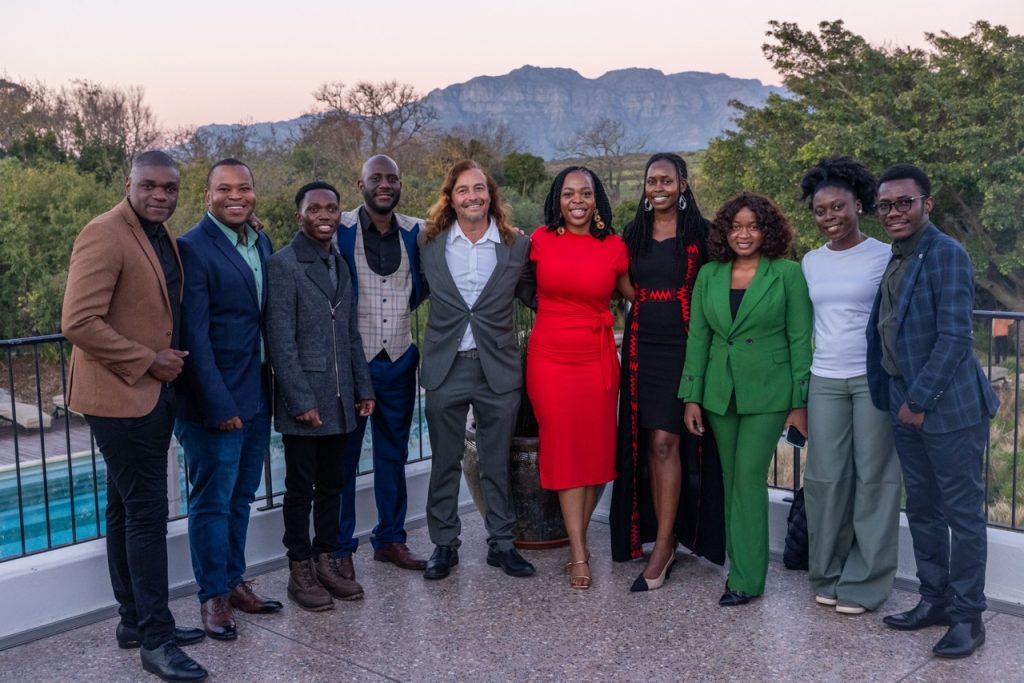
ABOVE: The African STARS YPP 2025 CERI cohort, with Prof Tulio de Oliveria, at the farewell dinner, from left: Joel Alukwe, Harries Molepo, Kennedy Mulungu, Kingstone Nihaka, Fezokuhle Khumalo, Celestine Nyamari, Grace Mwakinga, Francisca Adomako, and Kabugo Joel.
Absent: Dr Monique Barnard-Matthee.
Photo: CERI Media, Charlie Sperring.
News date: 2026-07-31
Links:
KRISP has been created by the coordinated effort of the University of KwaZulu-Natal (UKZN), the Technology Innovation Agency (TIA) and the South African Medical Research Countil (SAMRC).


Location: K-RITH Tower Building
Nelson R Mandela School of Medicine, UKZN
719 Umbilo Road, Durban, South Africa.
Director: Prof. Tulio de Oliveira