
VEME 2026 Poster Winners Put Research in the Spotlight

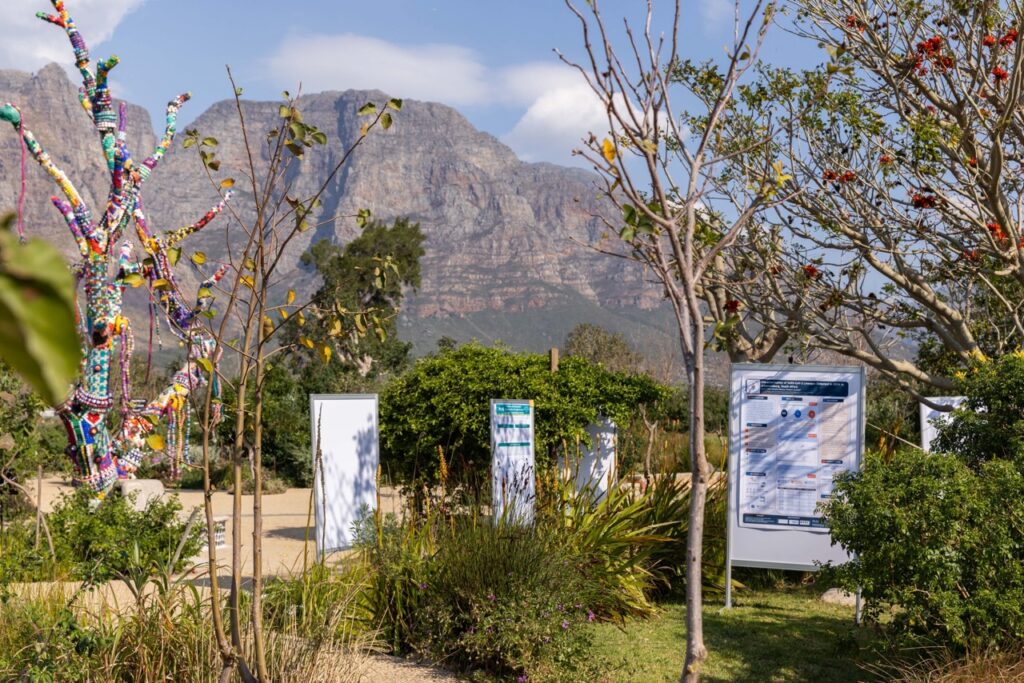
Six participants have been recognised for their research presentations during the poster sessions at the 29th International Virus Evolution and Molecular Epidemiology (VEME) Workshop in Stellenbosch, which ran from September 6 to 11.
Prizes were awarded across two VEME modules: Highly Transmissible Pathogens (HT) and Phylogenetic Inference (PI), with the winning research spanning SARS-CoV-2 evolution, chikungunya transmission, Mpox, ancient viruses, and wastewater surveillance.
Highly Transmissible Pathogens
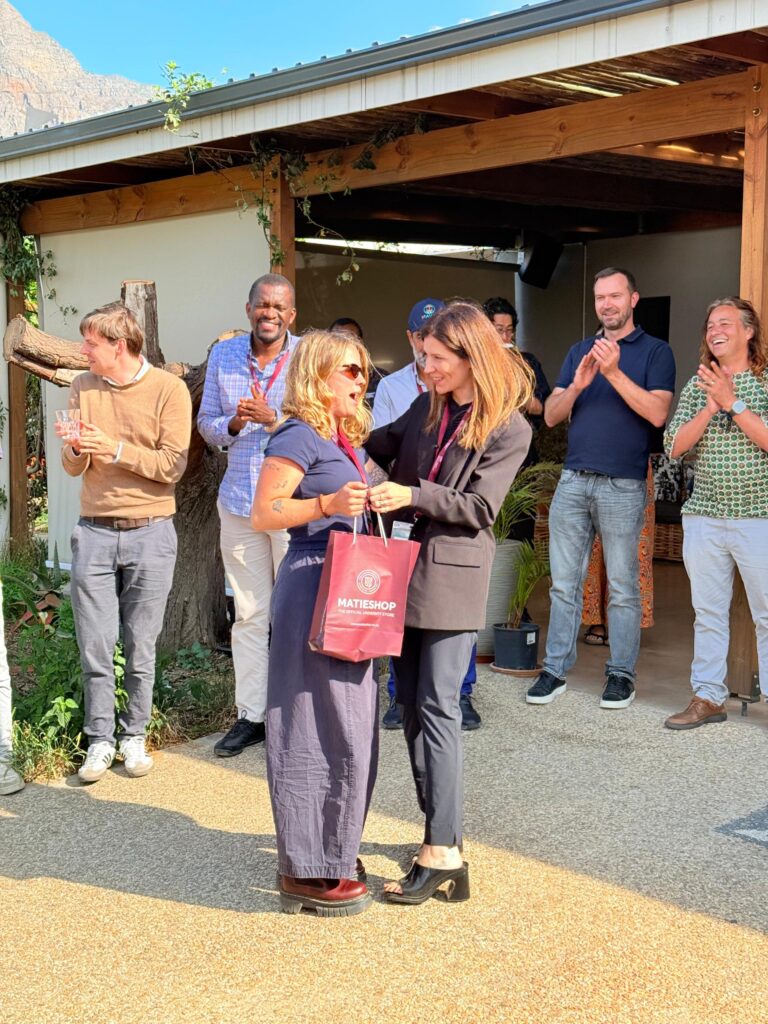
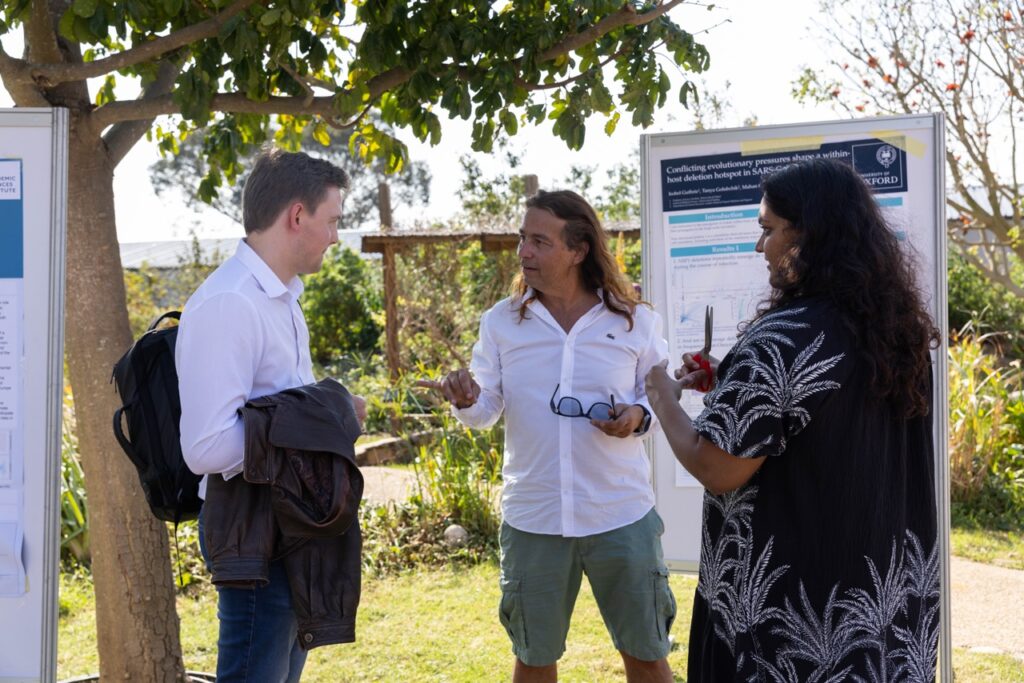
Isobel Guthrie (pictured below), a DPhil student in Genomic Medicine and Statistics at the University of Oxford in the United Kingdom, took first place in the HT module for research examining an often-overlooked source of genetic variation in SARS-CoV-2: insertions and deletions, known as indels.
Her wider DPhil research investigates how indels contribute to the evolutionary dynamics of SARS-CoV-2. For her VEME poster, Guthrie focused on recurrent deletions in non-structural protein 1, or NSP1, tracking how they emerge during an infection and propagate across the wider viral phylogeny.
The work found evidence suggesting that these deletions may be selected for during an individual infection, but selected against at the wider between-host scale.
Indels are an important but often overlooked source of genetic variation, and characterising their evolutionary dynamics could contribute to a better understanding of how SARS-CoV-2 continues to evolve. Guthrie is also interested in developing methods and tools that make these mutations easier to analyse, both in SARS-CoV-2 and other viruses.
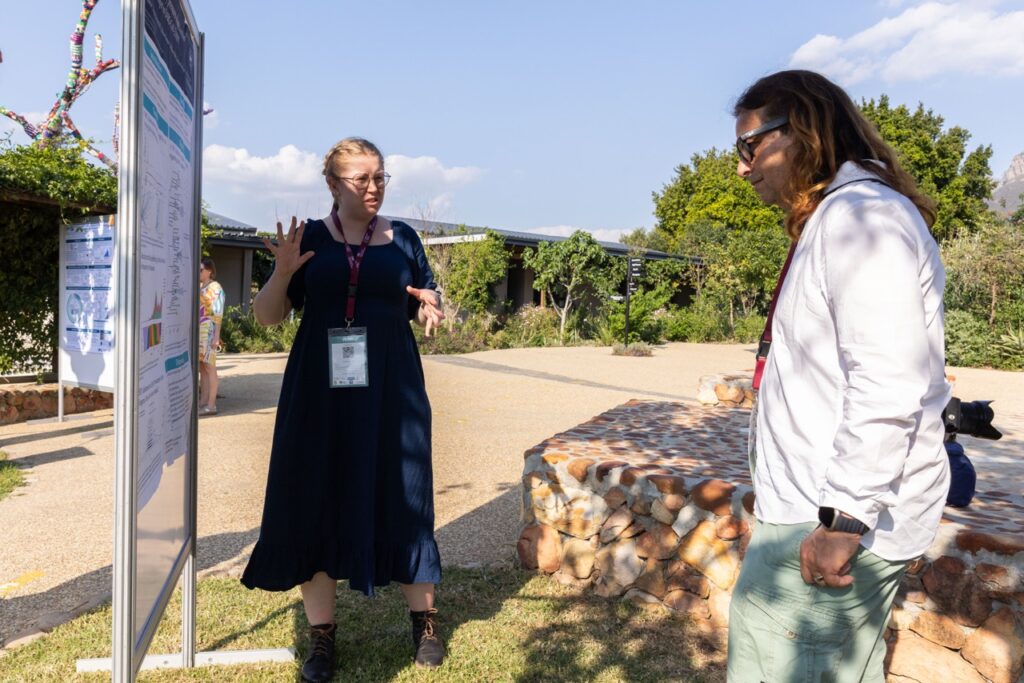
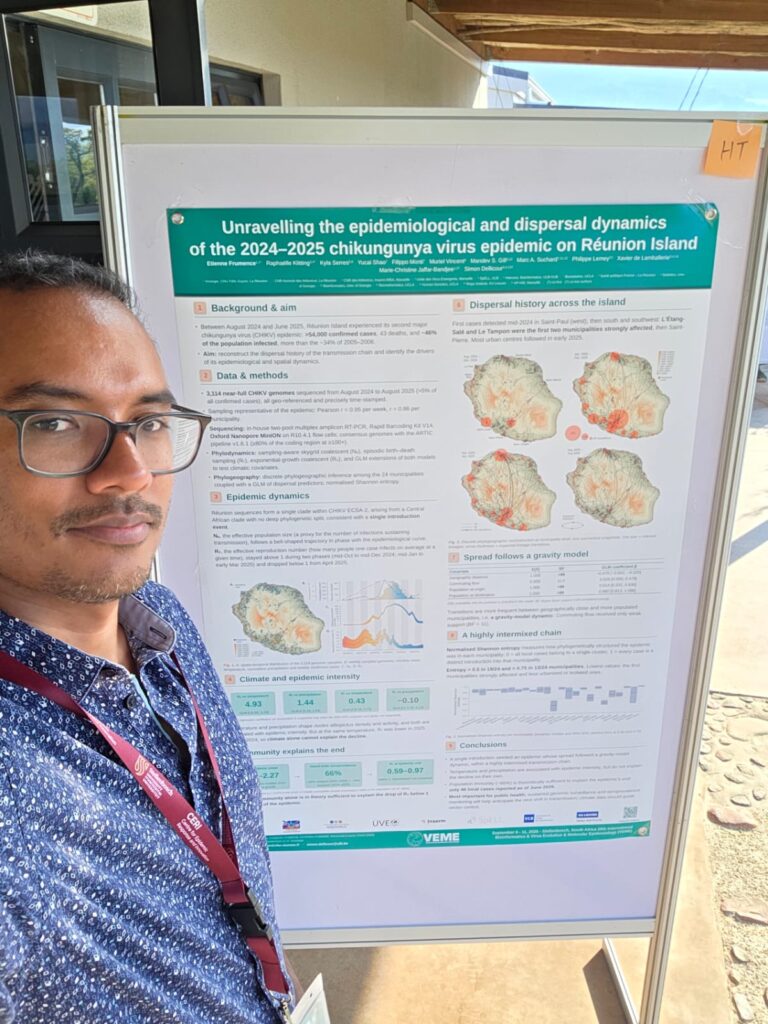
Second place went to Etienne Frumence (pictured below), from CHU de La Réunion in Réunion Island, whose poster examined how the 2024–2025 chikungunya epidemic spread across Réunion Island.
The study sequenced more than 3 100 near-full viral genomes, representing more than 5% of all confirmed cases. Using these data, the researchers reconstructed the dispersal history of the epidemic and investigated the factors shaping its epidemiological and spatial dynamics, including which municipalities were affected first and how climate and population immunity influenced its course.
The work demonstrates what dense, real-time genomic surveillance can reveal beyond conventional case counts. By tracing how an epidemic moves through a population and identifying the factors driving that movement, genomic data can help public health authorities anticipate changes in transmission. Combining this information with seroprevalence monitoring and climate data could help determine when and where interventions are most needed.
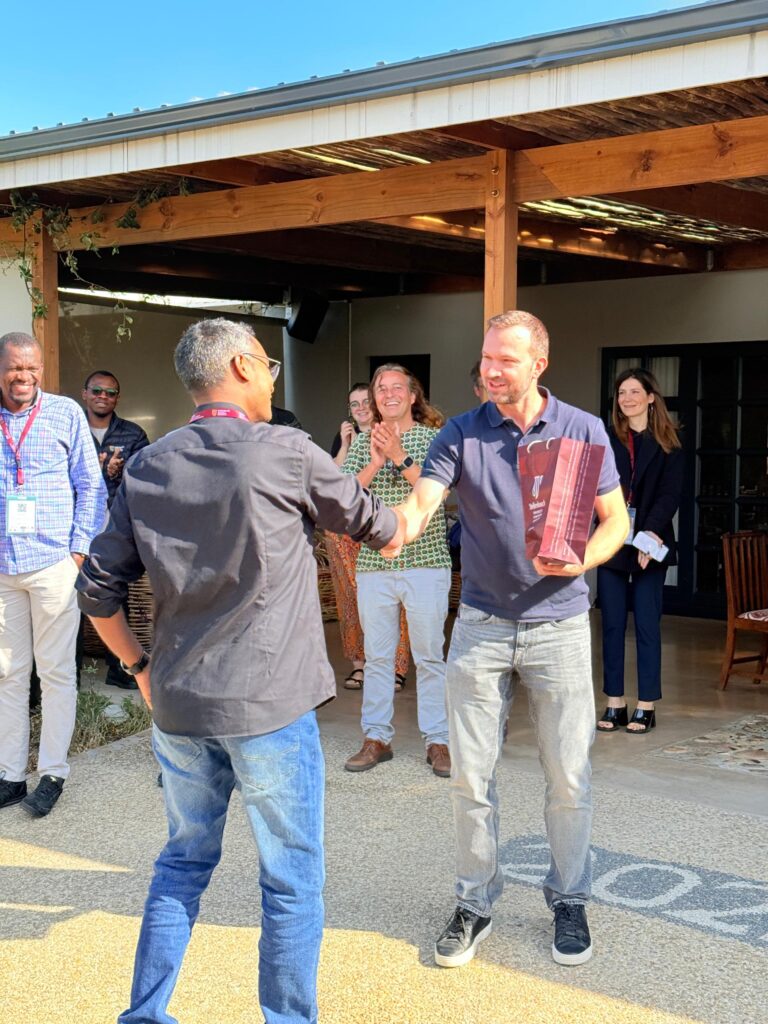
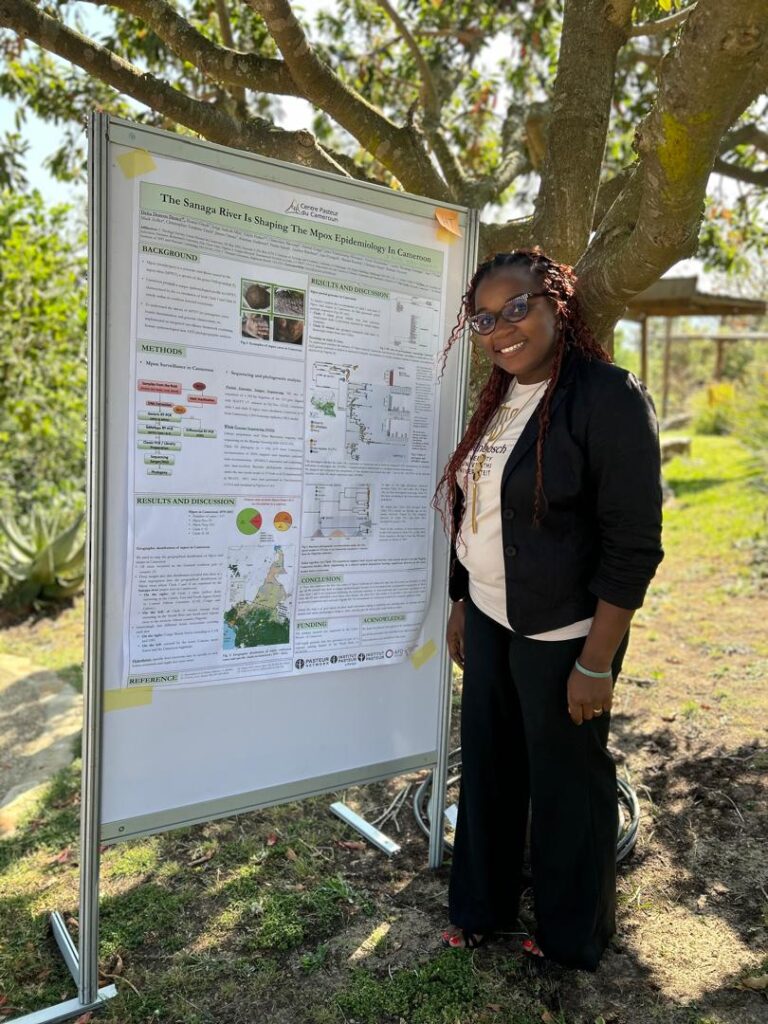
Dr Delia Doreen Djuicy (pictured below), a virologist and research scientist at Centre Pasteur du Cameroun in Yaoundé, Cameroon, received third place for research exploring the relationship between geography and the evolution and movement of Mpox.
Her research investigates how the Sanaga River, Cameroon’s largest hydrological basin, influences the spatial dynamics, genomic evolution, and historical transmission pathways of Mpox in Cameroon and the wider Central African region.
By integrating genomic surveillance with phylogeographic modelling, the research found that the river acts both as an ecological boundary and as a major corridor shaping viral lineage diversification and cross-border spread, before and after the emergence of Mpox in Cameroon in 1979.
Understanding how natural geographic barriers and river basins influence viral circulation could help shift outbreak response towards more predictive and targeted public health surveillance. The findings could contribute to identifying high-risk transmission corridors, tailoring vaccination and other interventions for riverine communities, and strengthening One Health outbreak preparedness across Central Africa.
Phylogenetic Inference
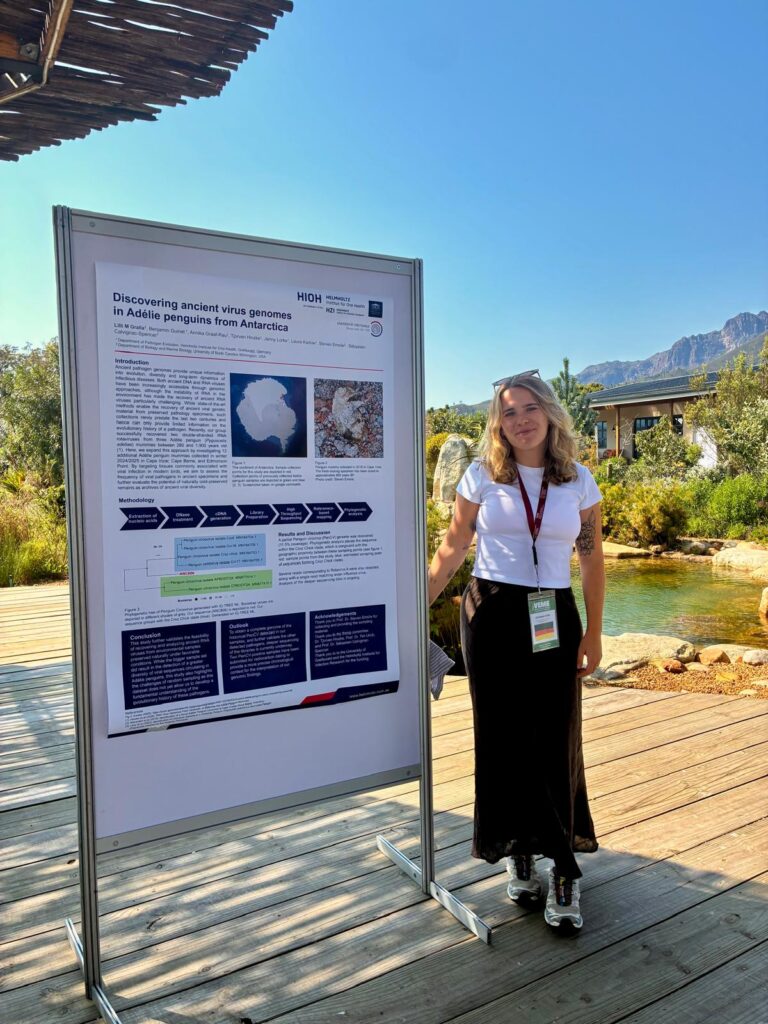
First place in the PI module went to Lilli Marie Gralla (pictured below), a PhD student in the Department of Pathogen Evolution at the Helmholtz Institute for One Health in Greifswald, Germany.
Gralla’s PhD research explores whether ancient pathogen sequences can be recovered from environmental samples and used to better understand the evolutionary history of pathogens.
For the study presented at VEME, she and her colleagues turned to an unusual source: penguin mummy samples from Antarctica. The team used the samples to search for ancient RNA viruses that infected birds.
Their preliminary results show that it is possible to retrieve a range of ancient pathogenic sequences from these samples. At the same time, the work highlights the technical challenges involved in studying ancient pathogens in environmental material.
The findings show that methods still need to be adapted specifically for environmental samples. Doing so could ultimately make it possible to recover more information about pathogens from the past and use it to illuminate how they have evolved over time.
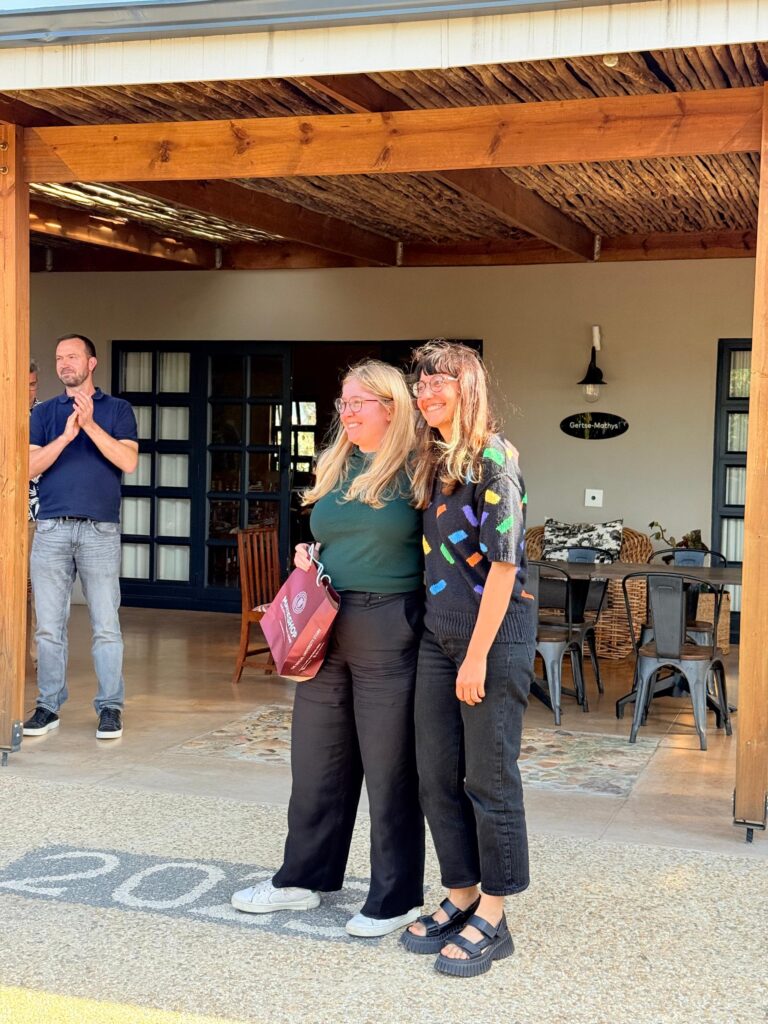
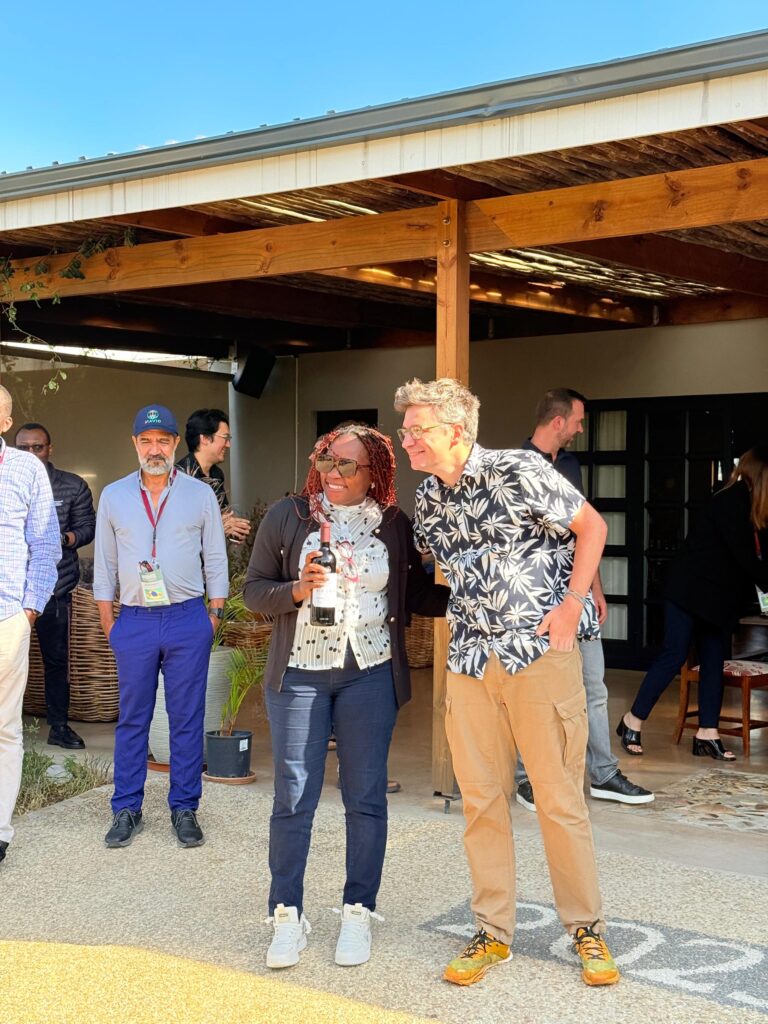
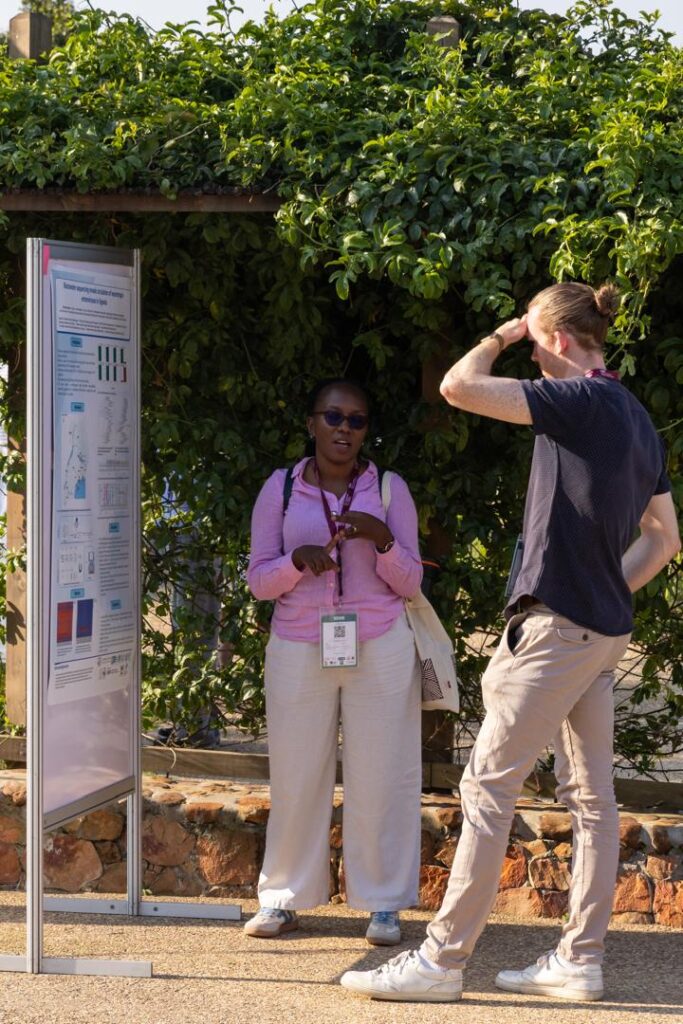
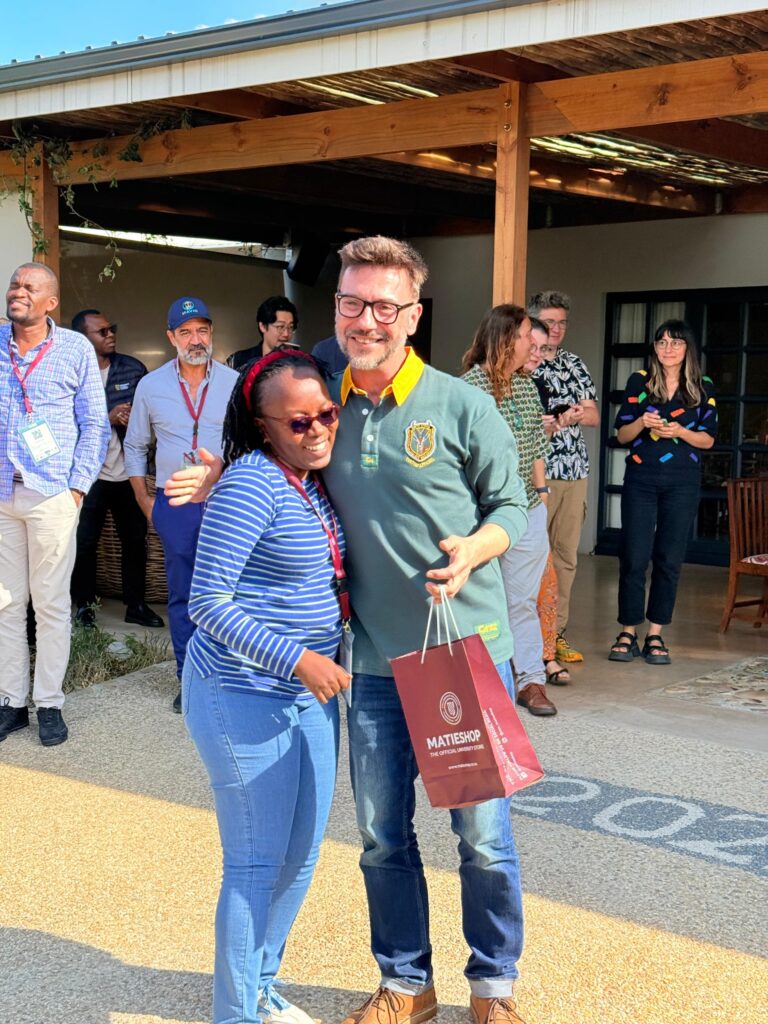
Second-place winner Phionah Tushabe (pictured below), from the Uganda Virus Research Institute in Entebbe, Uganda, used wastewater sequencing to investigate whether two neurotropic enteroviruses, EV-A71 and EV-D68, are circulating in Uganda.
Using target-enrichment Illumina sequencing of wastewater, the researchers were able to detect both viruses.
The finding is particularly relevant as the world moves closer to the eradication of wild poliovirus and attention increasingly turns towards other enteroviruses capable of causing paralysis. Tushabe’s research showed not only that EV-A71 and EV-D68 are circulating in Uganda, but that the circulating strains carry mutations associated with neurotropism.
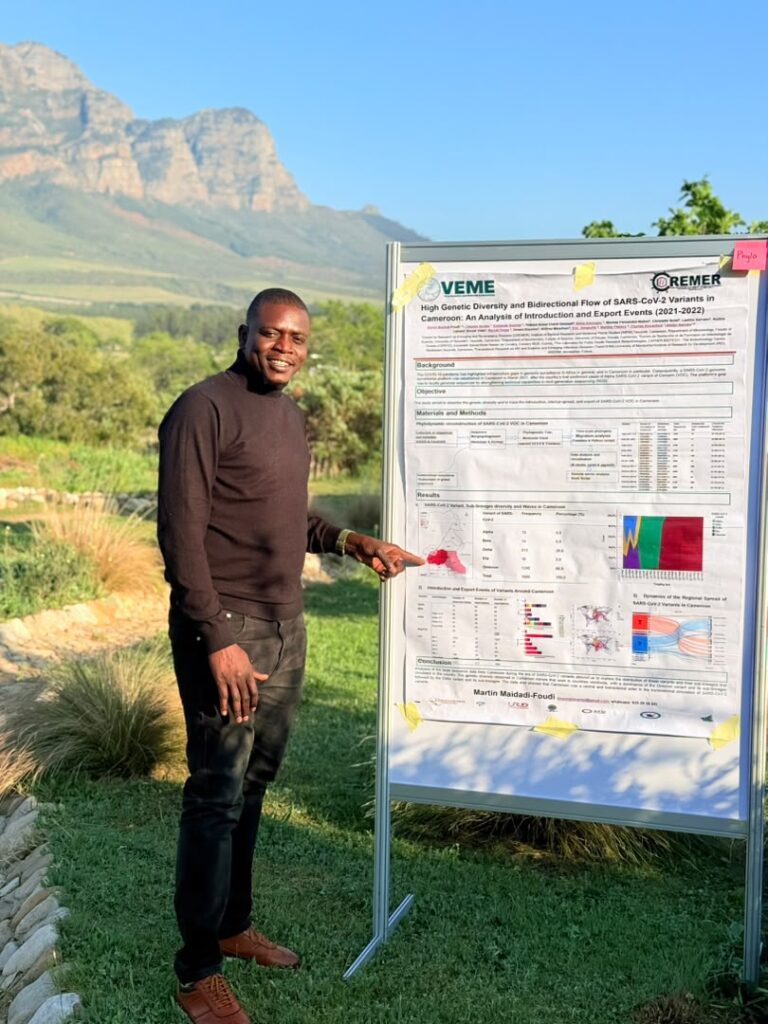
Third place was awarded to Martin Maidadi-Foudi (pictured below), a researcher at the Centre for Research on Emerging and Re-emerging Diseases (CREMER), Institute of Medical Research and Medicinal Plants Studies (IMPM) in Yaoundé, Cameroon.
His research reconstructed the origins of introductions, internal spread, and exportation of SARS-CoV-2 variants of concern involving Cameroon between 2021 and 2022.
The analysis revealed substantial genetic diversity, dominated by Omicron at 68.9% and Delta at 28.6%. It also showed that Cameroon played a central, bidirectional role in transmission flows, with variants both entering the country and moving onwards from it.
The findings highlight the strategic importance of maintaining local genomic surveillance capacity. Understanding these patterns can help map epidemic dynamics, guide public health interventions, anticipate the spread of emerging variants, and strengthen preparedness for future pandemics in Africa.
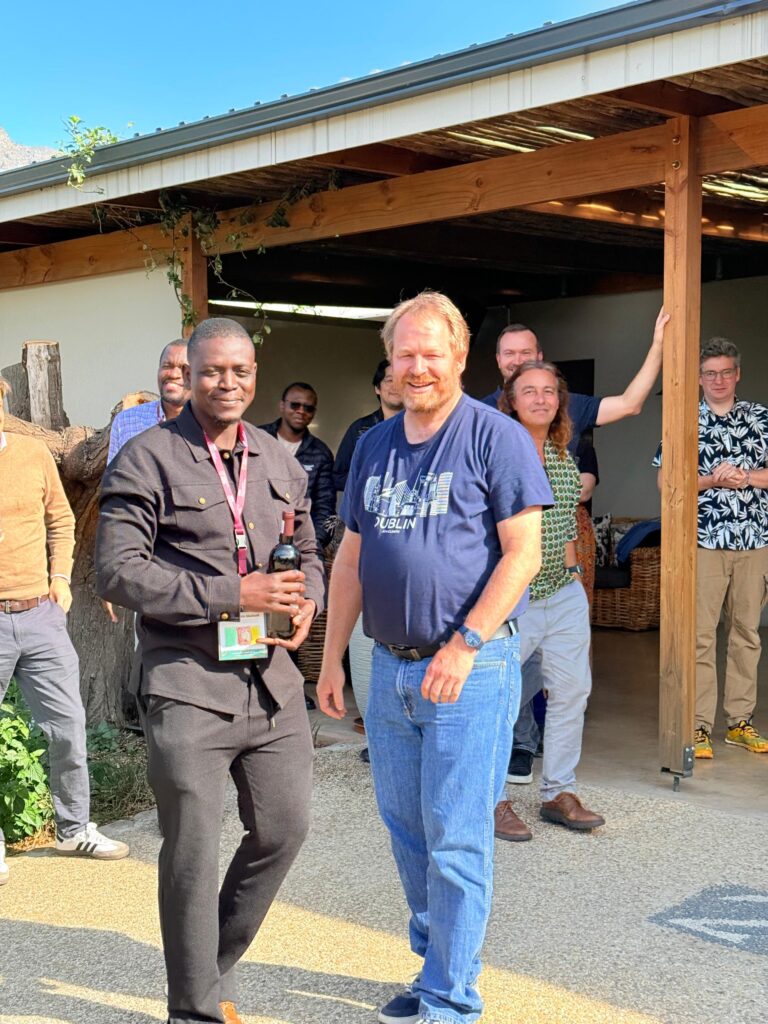
Together, the six winning posters reflected the breadth of questions that viral evolution and molecular epidemiology can help address – from genetic changes occurring within a single infection to transmission across cities, countries, river systems, and continents, and even evidence of viruses preserved from the distant past.
Congratulations to the six winners, and to all the VEME 2026 participants who shared their research during the poster sessions.
Text: Katrine Anker-Nilssen Photos: CERI Media, Charlie Sperring & Supplied
News date: 2026-09-12
Links:
KRISP has been created by the coordinated effort of the University of KwaZulu-Natal (UKZN), the Technology Innovation Agency (TIA) and the South African Medical Research Countil (SAMRC).


Location: K-RITH Tower Building
Nelson R Mandela School of Medicine, UKZN
719 Umbilo Road, Durban, South Africa.
Director: Prof. Tulio de Oliveira