
When Scientists Think Like Entrepreneurs
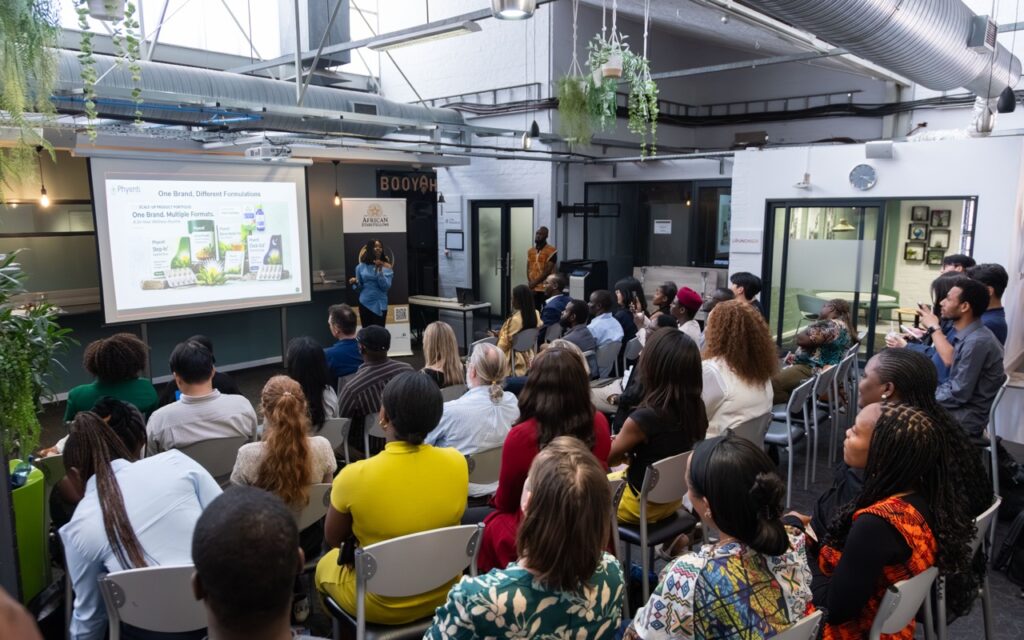
From a blood test for Long COVID to recovering valuable compounds from winery waste, the fellows presented their business concepts to investors, mentors, academics, and industry representatives at Tuesday’s Countdown Demo Day.
As part of the entrepreneurship programme hosted by SU LaunchLab and ZEEUS, the fellows worked in teams on existing technologies and intellectual property from Stellenbosch University’s research portfolio. Their task was to identify potential customers, investigate market demand, and establish what it would take to build a business around these technologies.
For Prof Tulio de Oliveira, Director of the Centre for Epidemic Response and Innovation (CERI), the programme forms part of a wider effort to develop scientists with skills beyond their research disciplines. Over the past four months, the fellows have also received training in grant development, financial management, science communication, transdisciplinary research, and outbreak response.
“It’s not just about the projects themselves, but about learning how to turn a scientific discovery into a business plan,” said Prof de Oliveira.
A Different Kind of Pitch Day
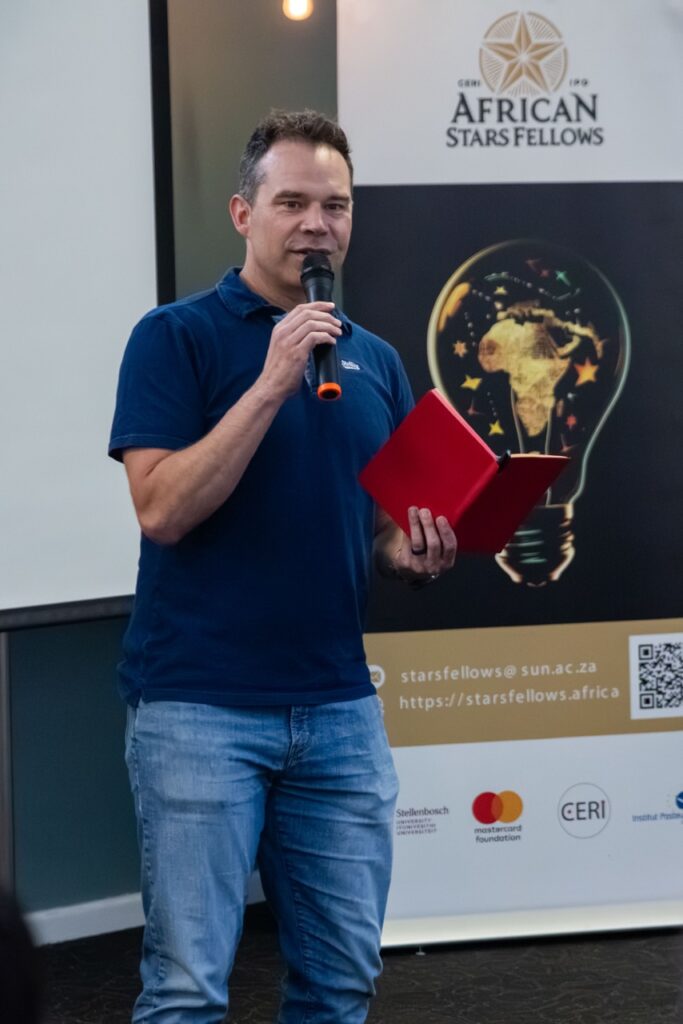
Brandon Paschal from SU LaunchLab set the tone for the afternoon with a reminder that the event was about learning rather than competing.
“This is not a Dragon’s Den or a Shark Tank. It’s a dolphin pool,” he said. “This really is a celebration of the journey we’ve been on, and an opportunity to look forward to what’s happening out there.”
Each team had five minutes to present, followed by questions from the audience. While the atmosphere was supportive, the questions were challenging, covering everything from clinical trial costs and market demand to scalability and investment returns.
Paschal reminded the audience that the fellows had spent a relatively short time working with technologies that, in some cases, had been years in development. The pitches were an educational exercise, although some of the concepts could be taken further after the fellowship.
The Six Pitches
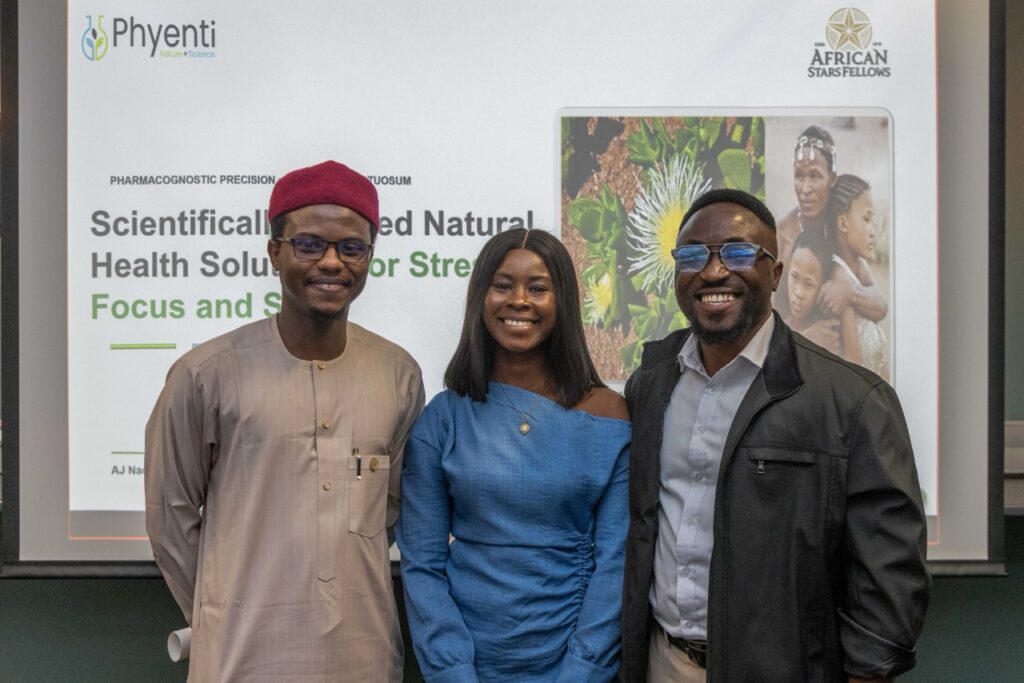
Phyenti: Addressing Stress and Poor Sleep
Emelia Azayele Kpiebaya, Abduljalal Nadabo, and Elvis Poku-Adusei explored the commercial potential of kanna (Sceletium tortuosum), a plant traditionally used by the San and Khoi peoples of South Africa.
The team presented two products: Step-In for daytime focus and stress management, and Clock-Out for nighttime relaxation and sleep. They investigated distribution through pharmacies, clinics, and retailers, alongside opportunities for further clinical research.
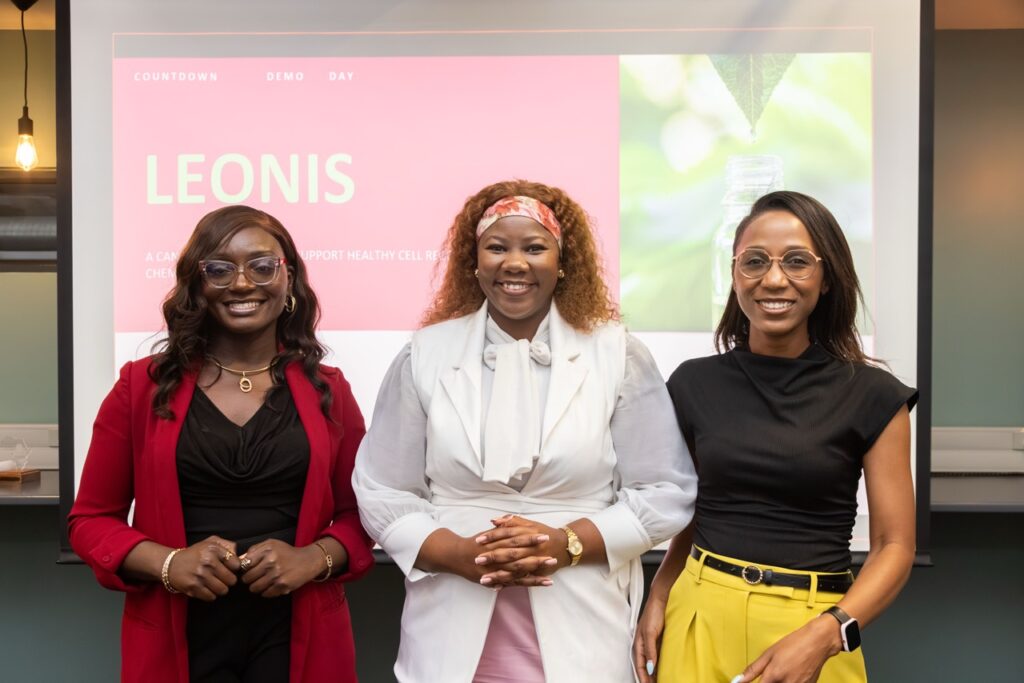
LEONIS: Supporting Recovery After Chemotherapy
Natasha Onalenna Moraka-Mankge, Chinedu Ude, and Bridgette Galafa proposed a vitamin-enriched supplement derived from Leonotis leonurus, commonly known as wild dagga, to support healthy cell recovery after chemotherapy.
Drawing on patented technology and preclinical research, the team consulted healthcare professionals and industry representatives to assess demand. Their business model included clinical validation, sustainable cultivation, product development, and licensing.
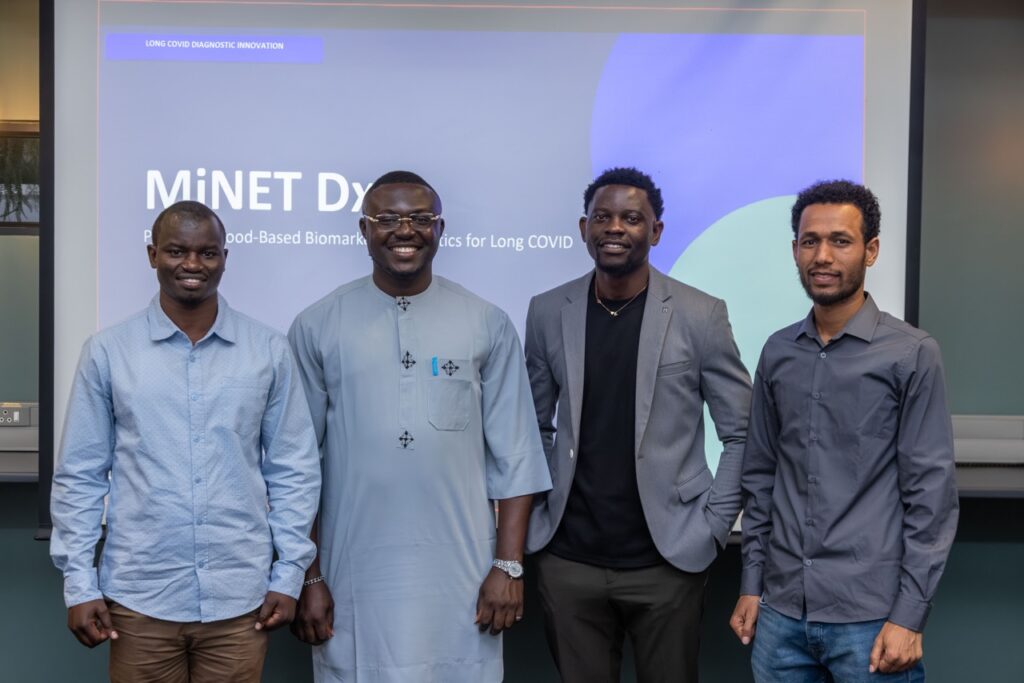
MiNET Dx: Improving Long COVID Diagnostics
Nzube Ekpunobi, Maclay Mzhuzha, Yadeta Mulatu M., and Emmanuel Pius addressed the absence of a routine blood test for Long COVID.
Their proposed diagnostic tool detects microclots and immune-related biomarkers in a single blood sample, using automated imaging and artificial intelligence to generate a diagnostic score. Discussions focused on distinguishing Long COVID from other conditions, further clinical validation, and reducing testing costs.
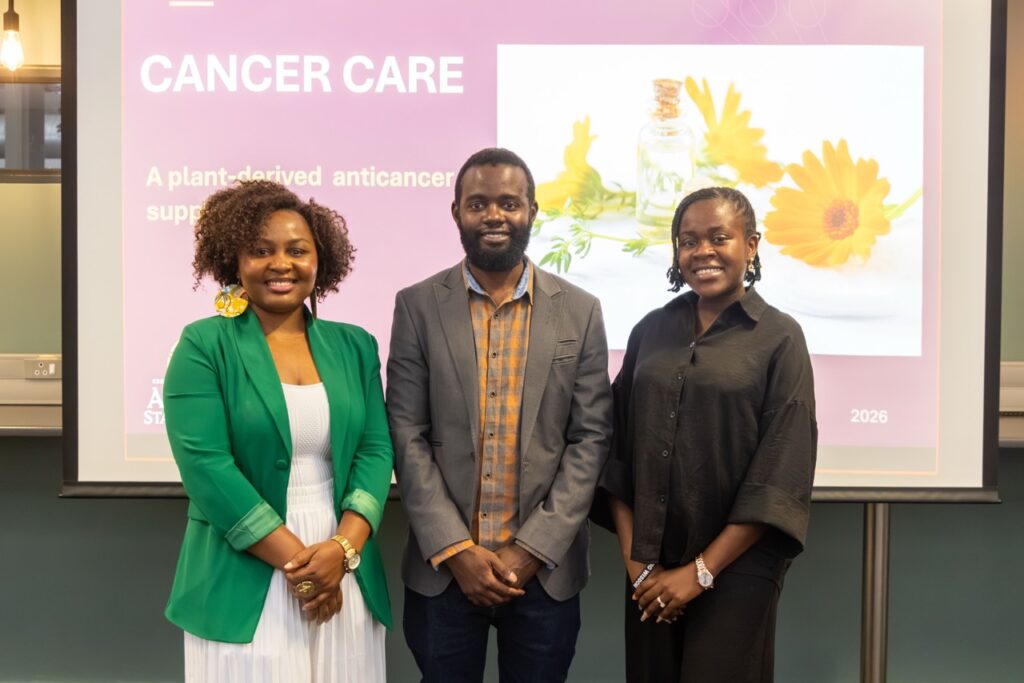
CancerCare: Exploring New Approaches to Cancer Care
Flywell Kawonga, Emmanuella Ekuri Matumamboh, and Solange Dabou also worked with wild dagga, drawing on laboratory research into its potential anticancer and chemoprotective properties.
Having consulted dietitians, the team proposed a liquid formulation that could potentially complement cancer treatments and protect healthy cells from chemotherapy-related damage. Discussions also raised the possibility of collaboration with LEONIS on sustainable cultivation.
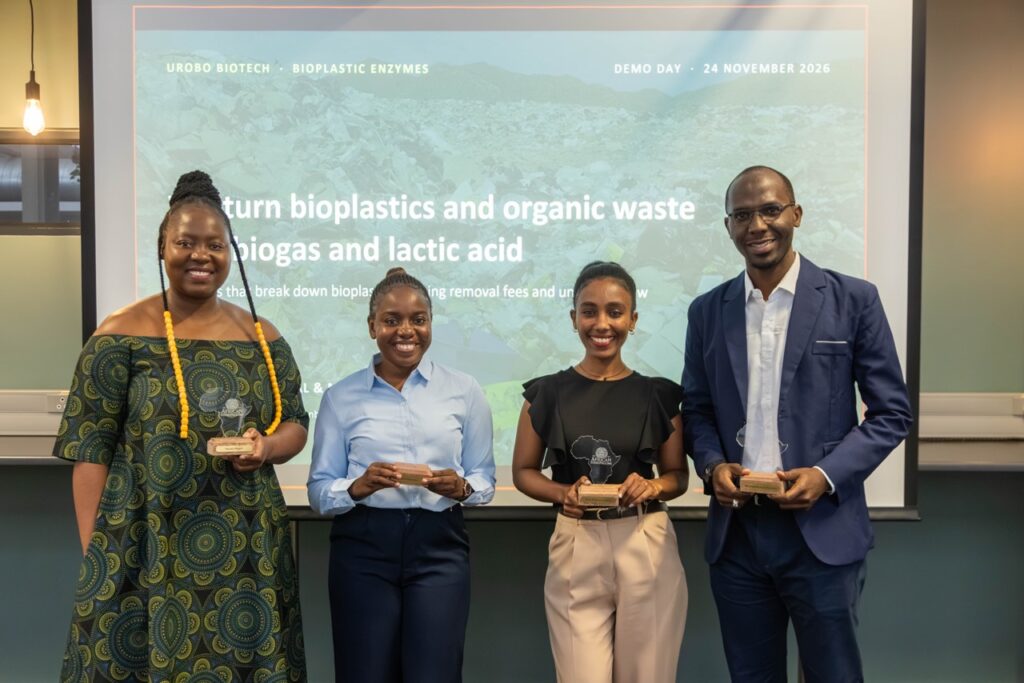
Urobo Biotech: Finding Value in Bioplastic Waste
Bilal Abdullahi Muhammad, Masala Mugeri, Hana Haileyesus, and Harriet Ng’ombe explored how enzyme-based technology could selectively break down polylactic acid (PLA) bioplastics in mixed waste streams without extensive sorting or washing.
Their proposed business model included waste characterisation, industrial pilot projects, enzyme sales, and licensing, with the longer-term aim of recovering lactic acid and biogas.
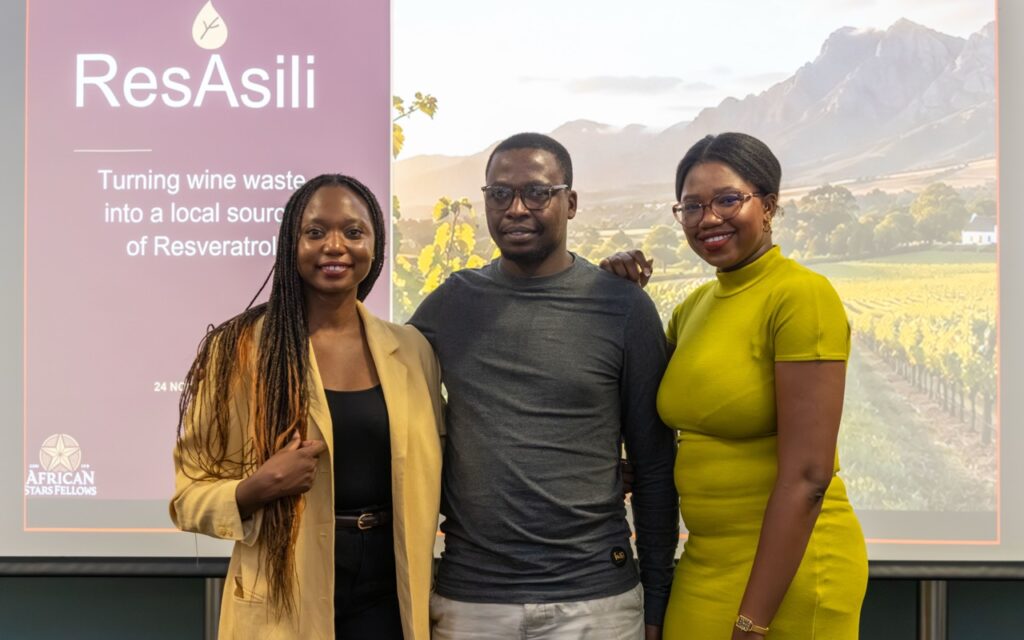
ResAsili: Giving Winery Waste a Second Life
Curtis Chepsiror, Tshephang Iris Kabelo, and Elizabeth Lubinda looked at an industry particularly close to home in Stellenbosch – wine production.
Using patented water-based extraction technology developed at Stellenbosch University, the team explored how discarded grape biomass could become a local source of resveratrol and other bioactive compounds for the food and skincare industries. Their proposed next steps include testing extract purity, yield, and suitability for commercial formulations.
What Goes Into a Five-Minute Pitch?
Throughout the programme, the fellows practised delivering 30-second elevator pitches. They also had to approach potential customers, arrange meetings, conduct market research, and engage with people working in unfamiliar industries.
Reflecting on their progress, JD Nel from SU LaunchLab highlighted the work behind each presentation.
“For every slide on this deck, they probably spent days making calls, attending meetings, and facing their fears,” said Nel. “And they responded beautifully.”
“It’s skills they can take and apply in any instance,” he added.
A promising laboratory result is one thing. Establishing whether a product is affordable, whether it can be manufactured at scale, and whether people would actually buy it is another. For the fellows, the programme was an opportunity to explore these questions firsthand.
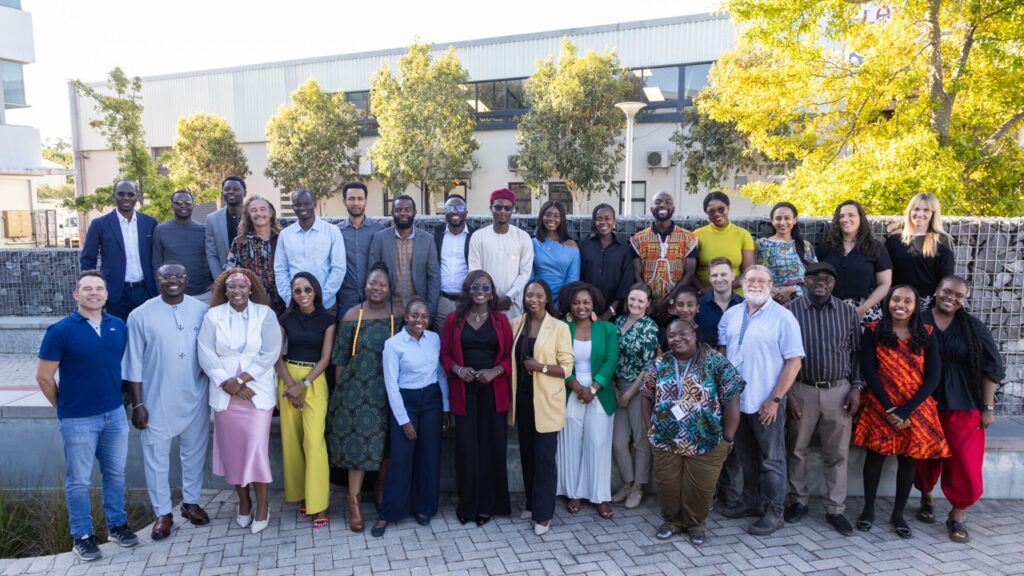
Celebrating the Fellowship Journey
Tuesday’s event was also a farewell for the ATT fellows, marking the end of their programme and time in Stellenbosch.
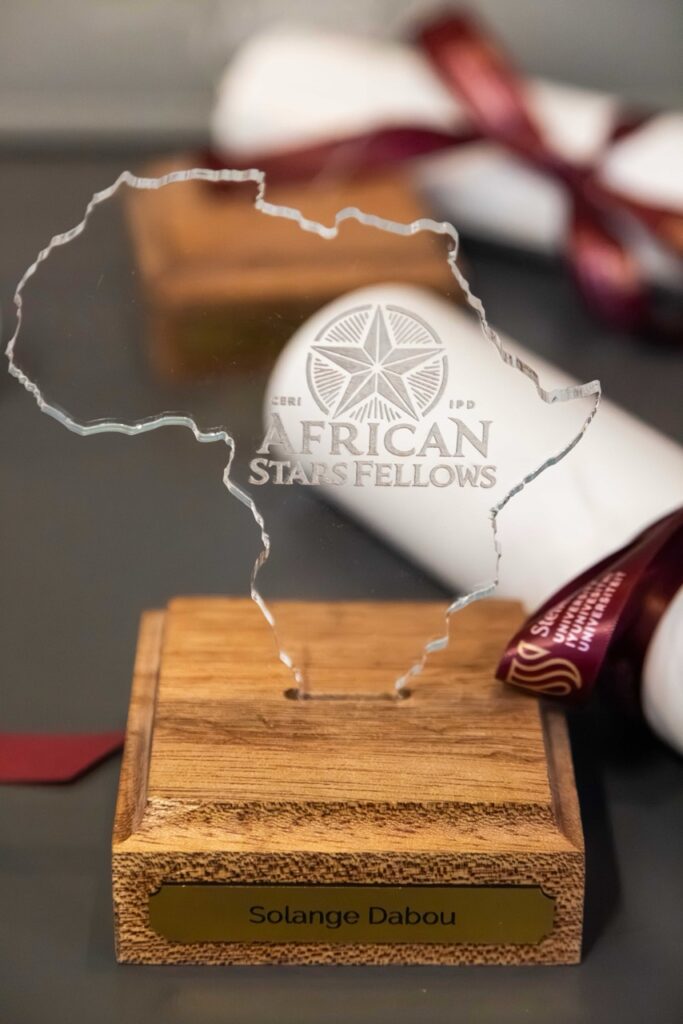
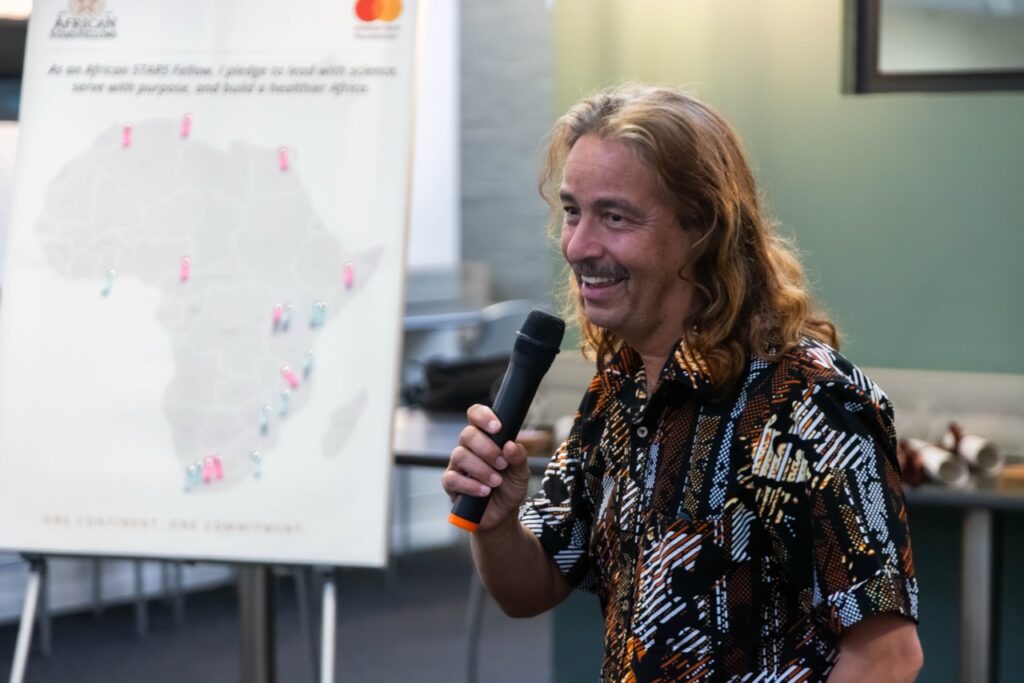
Following the pitches, Prof de Oliveira, Prof Cheryl Baxter, and Dr Gugulethu Gama recognised the fellows’ achievements with a certificate ceremony. As part of the fellowship tradition, recipients shared the stories behind their names and identified their home countries on a map of Africa.
Prof Lenine Liebenberg recalled meeting the group at the beginning of the fellowship, when she reminded them that they deserved to be there.
“You deserve to be here, and you’re going to be doing great things,” she said. “I’m so looking forward to seeing all the great things.”
Knowing how to assess the commercial potential of research, engage with industry, and communicate the value of a scientific discovery will serve the African STARS ATT fellows well, wherever their careers take them.
*The African STARS Fellowship is made possible in partnership with the Mastercard Foundation.
Photos: CERI Media, Charlie Sperring
News date: 2026-11-26
Links:
KRISP has been created by the coordinated effort of the University of KwaZulu-Natal (UKZN), the Technology Innovation Agency (TIA) and the South African Medical Research Countil (SAMRC).


Location: K-RITH Tower Building
Nelson R Mandela School of Medicine, UKZN
719 Umbilo Road, Durban, South Africa.
Director: Prof. Tulio de Oliveira