
Taking African Science to the Global Health Conversation
By Dr Monika Moir
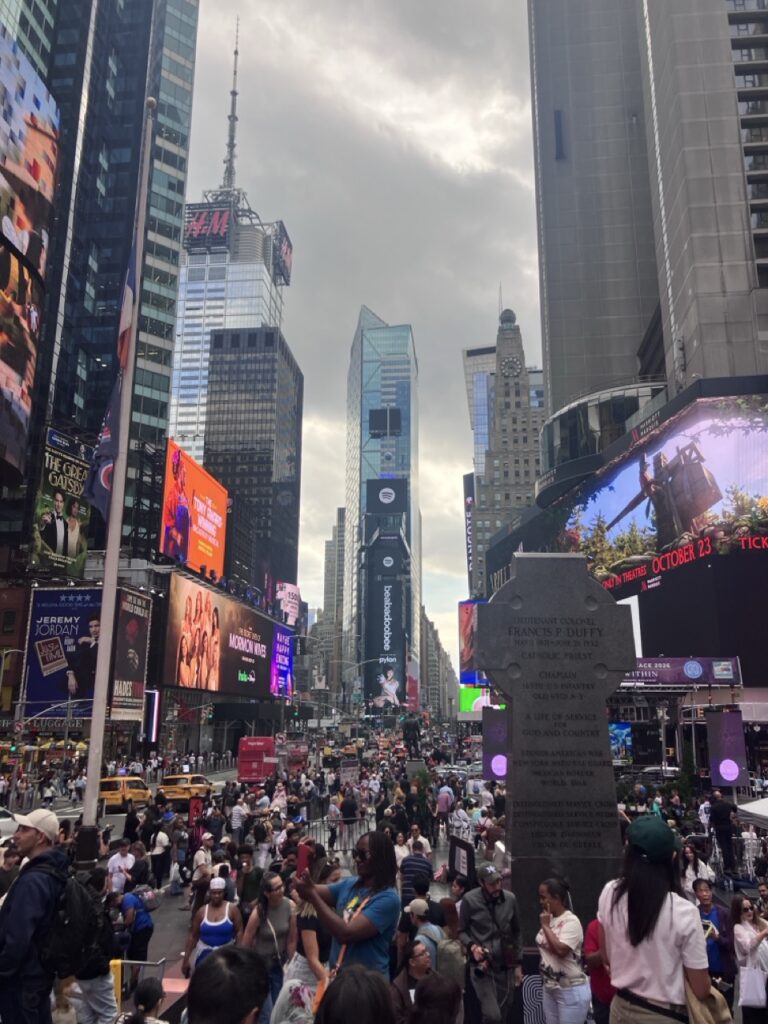
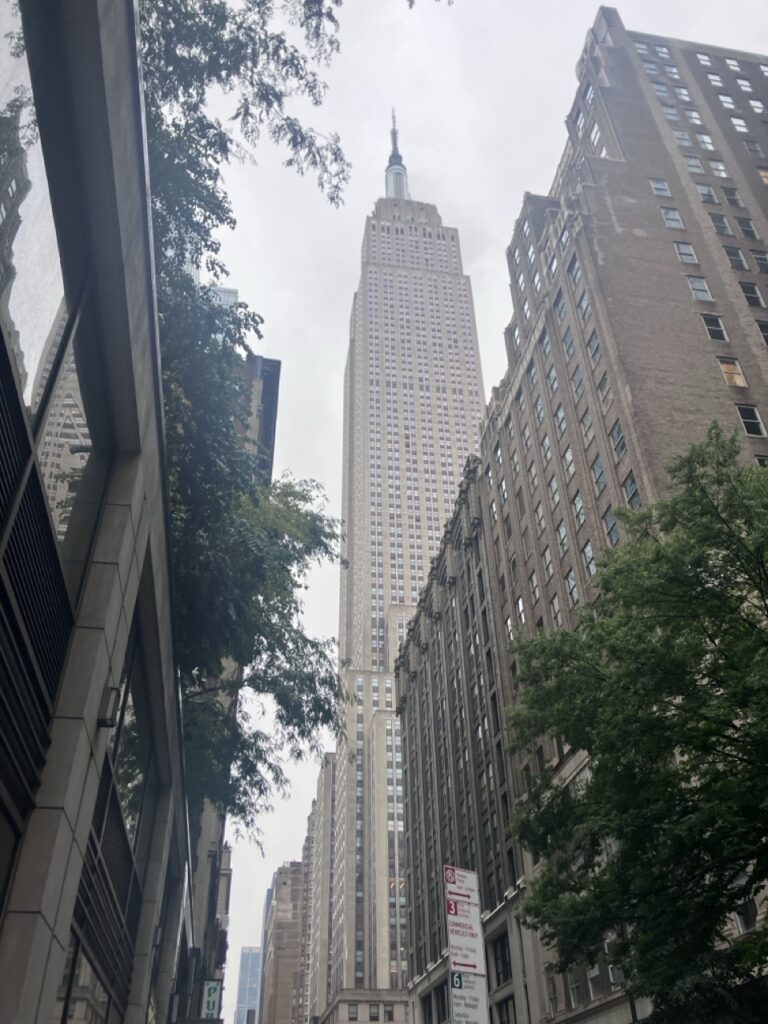
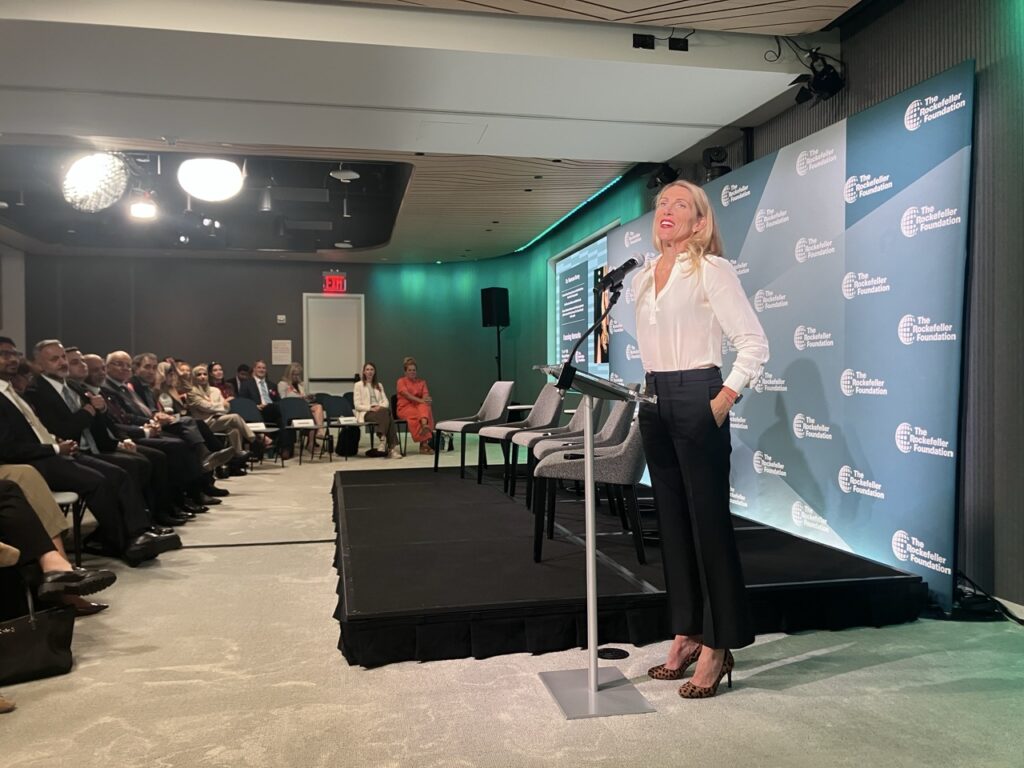
Coming from the quiet town of Stellenbosch, it was inspiring to experience the energy of New York City during the 2026 United Nations General Assembly (UNGA) and Climate Week. Roads were closed off, and police escorts echoed through the city as politicians and policymakers were rushed from one important meeting to the next. Amid all this activity, I had the opportunity to participate in a panel hosted by The Rockefeller Foundation, discussing how we can build resilient healthcare systems in an increasingly uncertain world.
On 21 September 2026, The Rockefeller Foundation, in partnership with the WHO Special Envoy for Health Resilience, hosted a panel discussion titled ‘Health Resilience in the 21st Century: Delivering Outcomes Amid Shocks and Stressors’. The event brought together senior policymakers, global health leaders, and scientists to discuss how countries can strengthen their health systems in the face of climate change, conflict, and shrinking external health assistance.
Anticipating outbreaks through science
One of the most significant shifts in global health in recent years has been the move from reacting to outbreaks towards anticipating them. Diseases such as dengue, cholera, chikungunya, and Rift Valley fever are influenced by climate and environmental change, population mobility, and pathogen evolution. At CERI, we develop computational approaches that combine satellite imagery, climate data, pathogen genomes, and epidemiological surveillance to better understand why pathogens emerge, where they are likely to spread, and which populations are most at risk.
During the panel, I shared several examples of how these approaches can contribute to public health preparedness. One was Carlin Foka’s work on dengue, using deep learning to estimate disease suitability by incorporating a wider range of socioeconomic and environmental factors than traditional approaches. When we accounted for human population density, our model identified more than 100 million additional people living in areas at risk of dengue infection compared with baseline estimates. In West and East Africa, poverty emerged as an important driver of disease suitability, highlighting the challenge of protecting communities that may have the fewest resources to respond.
Another example came from the 2025 chikungunya outbreak in Réunion, through work led by collaborators from the Mauritian Ministry of Health and Wellness. The outbreak reached approximately 23,000 cases per week at its peak. We analysed genomic data from cases detected in Mauritius to establish the outbreak lineage and confirm its introduction from Réunion Island. Mauritius had already begun mosquito control and public health communication in response to the outbreak on Réunion. The subsequent outbreak in Mauritius remained small and contained. This illustrates the potential value of early warning, rapid genomic analysis, and timely public health action working together.
Five years ago, we might have been able to tell a health ministry that an outbreak was happening. Today, advances in genomics, artificial intelligence, and computational modelling are creating opportunities to identify emerging risks earlier, forecast epidemic trajectories, and help officials decide where to strengthen surveillance or direct resources. The challenge is ensuring that these insights are acted upon before an outbreak becomes a crisis.
Investing in African science and data
An important message I conveyed was that Africa has developed considerable expertise in outbreak detection and response, and that this capacity needs to be recognised and strengthened. However, sophisticated computational models and AI tools are only as useful as the data on which they depend. Across much of Africa, epidemiological and genomic surveillance remains limited and uneven. Without sustained investment in surveillance infrastructure, local expertise, and the institutions responsible for generating and interpreting data, even the most advanced analytical methods have limited practical value.
My message to governments and global health partners was simple: invest in data, and in the people who generate it. This means moving beyond short-term project funding towards sustained support for African researchers, laboratories, and public health institutions. It also means embedding genomic insights and predictive models into national health policies and emergency response frameworks, so that the pathway from scientific evidence to public health action is already established when the next threat emerges.
My reflections
Participating in this panel was an opportunity to share the work being done at CERI with an international audience and to reflect on how scientific research can contribute to stronger health systems. New York was an exciting experience, from the energy of the city to the opportunity to meet people working at the highest levels of global health and policy. I returned to Stellenbosch feeling inspired by the possibilities for African science and the importance of continuing to build connections beyond our immediate research environments.
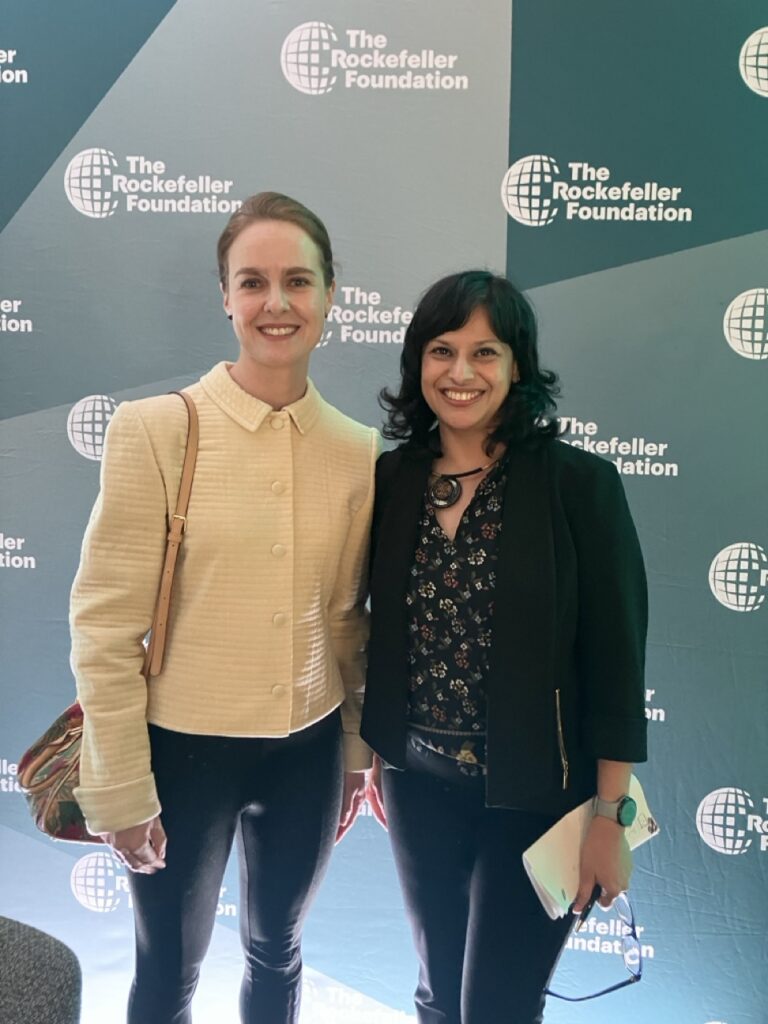
ABOVE: Dr Moika Moir with Manisha Bhinge, Vice President for Health at the Rockefeller Foundation.
News date: 2026-10-25
Links:
KRISP has been created by the coordinated effort of the University of KwaZulu-Natal (UKZN), the Technology Innovation Agency (TIA) and the South African Medical Research Countil (SAMRC).


Location: K-RITH Tower Building
Nelson R Mandela School of Medicine, UKZN
719 Umbilo Road, Durban, South Africa.
Director: Prof. Tulio de Oliveira