


NEWS
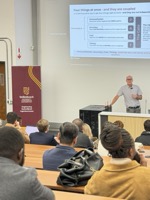
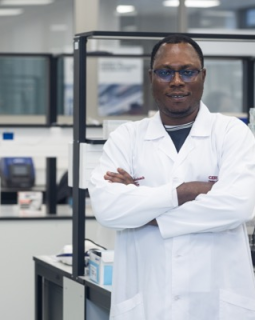
What if cancer screening was not determined primarily by your age, but by changes in your own health over time? Technology entrepreneur and engineer Pieter van Rooyen is exploring how artificial intelligence and existing health data could help shift cancer detection earlier – while making it more affordable for countries such as South Africa. His recent Pro-VC Open Lecture at Stellenbosch University, Ahead of the Tumor: Rewriting the Cancer Timeline, unpacked the thinking behind this approach.

Stellenbosch University's Centre for Epidemic Response and Innovation (CERI) is recruiting a postdoctoral fellow to integrate pathogen genomics with climate and environmental data, modelling the spread of cholera and other climate-sensitive diseases across Africa. The fellow will join CERI's One Health Program, Data Science Unit, and the CLIMADE consortium, working alongside African and international partners including Oxford and Cornell. Applications close 9 October 2026.

As part of the 29th International Virus Evolution and Molecular Epidemiology (VEME) Workshop, where world-class bioinformaticians gather for a week of intensive training and collaboration, we are proud to bring you a free open keynote lecture.
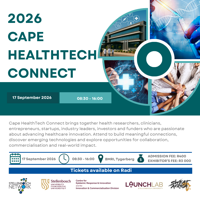
The inaugural 2025 event brought together more than 150 attendees and 50 healthtech companies for a day of honest conversation, unexpected connections, and tangible progress for health innovation in the Western Cape. This September, we're returning with a sharper focus and an even stronger line-up of people shaping the future of healthcare in Africa.
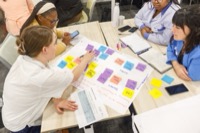
At the third Public Squares Research Session, held on 4 August 2026, Dr. Chanelle Mulopo, a transdisciplinary researcher and research fellow on the WEMA project, introduced the concept of Stakeholder Mapping and Engagement. It is a systematic process that helps researchers identify the people and organisations that can affect, or be affected by, their research.
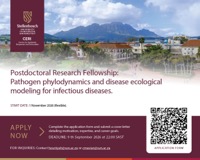
Postdoctoral Fellowship in Pathogen Phylodynamics: CERI, Stellenbosch University invites applications for a fully-funded postdoctoral fellowship applying phylodynamics, phylogenomics and ecological modelling to emerging pathogens across Africa. Join the Data Science Unit, One Health Program and CLIMADE consortium, mentored by leading genomic epidemiology researchers. Apply by 31 August 2026.
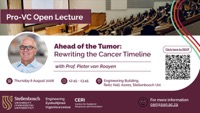
We invite the Stellenbosch University community, students, lecturers, professors, researchers, and professional staff, to join us for this Pro-VC Open Lecture with Pieter van Rooyen.
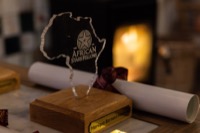
As our 2025/2026 African STARS Young Professional Programme (YPP) fellows completed their journey, I found myself reflecting on what it means to watch people you’ve mentored grow into confident leaders. It felt like a parent standing before an empty nest – filled with pride, yet carrying the quiet sadness of letting go

Two of our African MBA in Healthcare STARS tell us what the fellowship has taught them so far.

The end of a full year’s fellowship journey has arrived for the African STARS 2025 YPP cohort. The CERI fellows gathered for a session that brought both tears and laughter – a morning of honest stories, hard-won lessons, and quiet pride in how far they’ve come.
Stellenbosch University has launched IDEA SMASH™ – The Co-Creation Edition, a new innovation challenge designed to empower student entrepreneurs and changemakers. Open to students in the Luister, Leef & Leer programme, the competition invites participants to develop solutions to real-world challenges aligned with the UN Sustainable Development Goals. Finalists will receive mentorship from industry experts before pitching their ideas at the IDEA SMASH™ Innovation Showcase in September 2026.
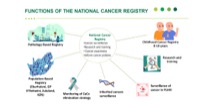
South Africa now has the most detailed picture yet of how well its cervical cancer screening programme is working – and the numbers show both a system in need of urgent repair and a clear roadmap for fixing it.
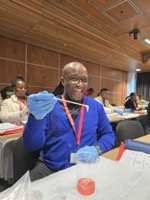
A new Lancet analysis explores the challenges and priorities for epidemic preparedness and response during the ongoing Bundibugyo virus Ebola outbreak in the Democratic Republic of the Congo and Uganda.
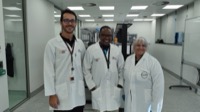
A four-month exchange strengthened collaboration in tuberculosis genomics and mycobacterial research.
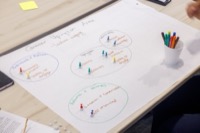
At a recent lecture and workshop series, the Public Squares Initiative invited researchers, academics, students, and community members to explore creative methods in participatory research.
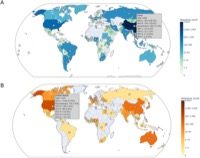
A new interactive dashboard reveals major gaps in hepatitis B and C genomic surveillance across the globe.
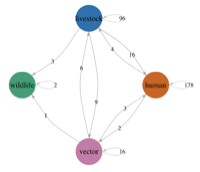
A new genomic study has mapped how Rift Valley fever virus has evolved across Africa over nearly 80 years, revealing how a handful of genetic changes could shape future outbreaks, vaccine development and disease surveillance.

As AI reshapes society, Stellenbosch University is helping Parliament prepare for responsible oversight and informed decision-making.
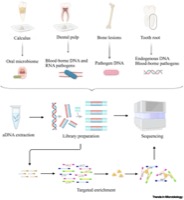
New review explores how ancient DNA preserved in archaeological remains could unlock new insights into the origins, evolution, and spread of infectious diseases, helping to inform future surveillance and epidemic preparedness across Africa.
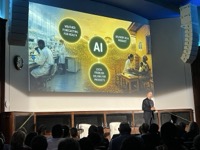
A peek inside the Gates Grand Challenges Annual Meeting 2026, where AI, maternal health, and climate science took centre stage.
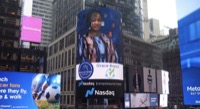
On March 4 this year, Grace Bosco watched her own face appear on the Nasdaq Tower in Times Square – a name and a company logo, up in lights, next to just nine others chosen from thousands of entrepreneurs worldwide.
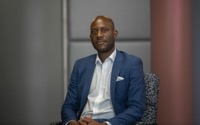
From site visits to start-up: how one African STARS fellow turned lessons in leadership and communication into two grants that will put African-made enzymes and gene tools on the map.
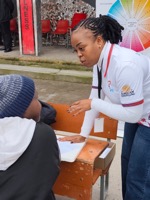
On 18 July, SmartPath partnered with the Impilo Project's Mandela Day Health Day at Marconi Beam Primary School in the Joe Slovo community. SmartPath, an integrated care programme developed through the African STARS Fellowship at CERI, focused the day on awareness, screening, and follow-up for iron deficiency anaemia among women of reproductive age, using point-of-care haemoglobin and ferritin testing and referral for oral iron.
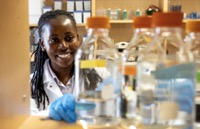
During her African STARS fellowship at CERI, Celestine combined laboratory research with industry experience, technology transfer and entrepreneurship. Working across South Africa and the University of Wisconsin–Madison, she gained the skills and networks to help translate scientific discoveries into real-world biotechnology innovations for Africa.
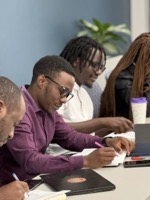
While completing his African STARS fellowship at CERI, Kabugo Joel played a key role in supporting Uganda's response to the 2026 Bundibugyo Ebola outbreak. His story highlights how international partnerships, genomics training and scientific networks can strengthen outbreak response and build long-term public health resilience across Africa.
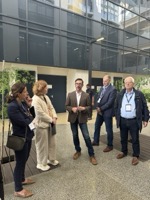
Representatives from CEPI's global laboratory network visited CERI at Stellenbosch University to explore its work in genomic surveillance and epidemic response. The visit reinforced the importance of international collaboration and Africa's central role in advancing pandemic preparedness through the 100 Days Mission.
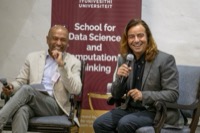
Stellenbosch University's Innovation and Data Science Industry Dinner in Sandton brought together researchers, alumni and industry leaders to discuss how stronger partnerships can accelerate AI, data science and health innovation. Featuring Prof Tulio de Oliveira and Prof Kanshukan Rajaratnam, the event highlighted the importance of collaboration, responsible innovation and building South Africa's capacity to tackle complex challenges through data-driven research.
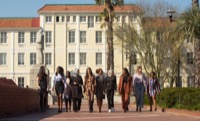
Beyond individual achievements, the programme is building a growing network of scientists, innovators and institutions working together to strengthen Africa's research, manufacturing and epidemic preparedness capabilities.
MOST POPULAR
BLOG

KRISP has been created by the coordinated effort of the University of KwaZulu-Natal (UKZN), the Technology Innovation Agency (TIA) and the South African Medical Research Countil (SAMRC).


Location: K-RITH Tower Building
Nelson R Mandela School of Medicine, UKZN
719 Umbilo Road, Durban, South Africa.
Director: Prof. Tulio de Oliveira