
Creating Opportunities in African Science
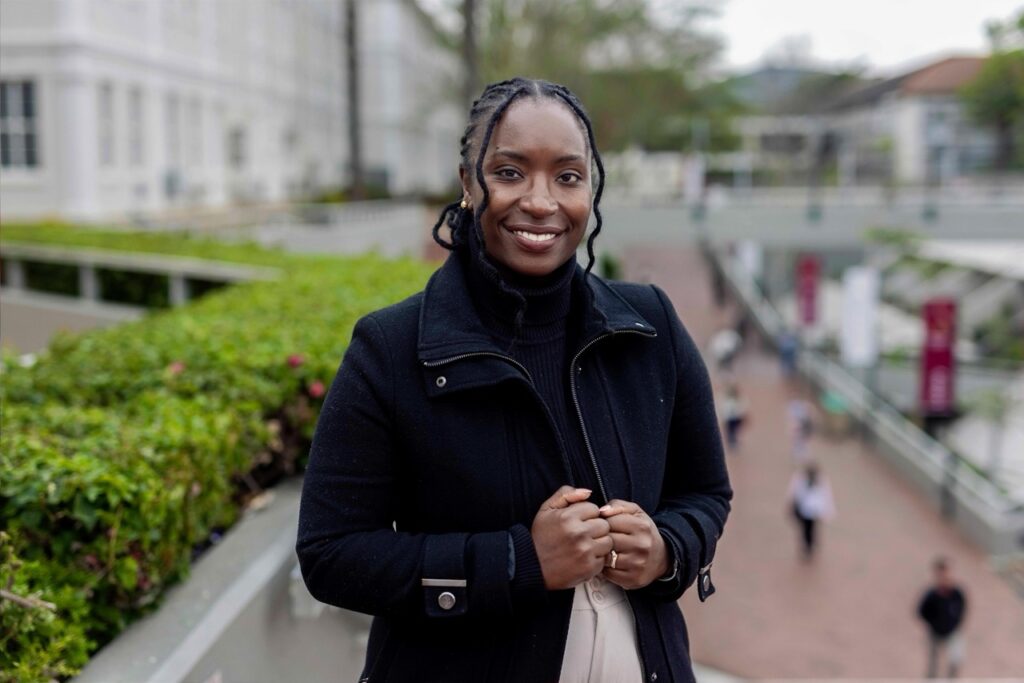
The design of buildings, shared spaces, and everyday human interactions may all influence how people are exposed to infectious diseases. Understanding these connections is at the heart of a new Wellcome-funded research project in which Dr Doreen Lugano will lead the genomics component.
The project, Pathogen Urbanism: Genomics, Social Interactions, and High-Rise Urban Forms in Global South Cities, brings together genomics, anthropology, urban research, and design to investigate how densely populated urban environments may influence exposure to and circulation of pathogens.
"What excites me about this project is the opportunity to work across disciplines," says Dr Lugano, an African STARS fellow at the Centre for Epidemic Response and Innovation (CERI). "We will be bringing genomics into conversation with anthropology, urban research, and design to investigate questions that are difficult to answer from any one discipline alone."
Securing the Wellcome Genomics in Context Award marks an important milestone in her development as an independent researcher, opening opportunities to lead scientific work, establish collaborations, and contribute to research that could inform healthier urban environments.
Dr Lugano's interest in becoming a scientist began at 22, when she visited the laboratory of Professor Bulimo during her undergraduate studies. Impressed by how he combined teaching with running a research laboratory, she completed a three-month internship that inspired her to pursue postgraduate studies.
During her PhD at the University of South Florida, she was encouraged to develop independent research questions and explore unfamiliar experimental approaches. Later, at the University of Texas Medical Branch, she strengthened her grant-writing skills, submitting five applications and proposals within 18 months, including one to the US National Institutes of Health. A successful Rockefeller Foundation fellowship enabled her to return to Kenya for a second postdoctoral fellowship at the KEMRI–Wellcome Trust Research Programme.
Her ambitions have since expanded beyond her own research. In 2023, she established The RNA Salon Kenya, connecting scientists working on RNA research, helping younger researchers find mentors, and strengthening scientific networks.
"Over time, my understanding of success has expanded. I still want to do excellent research, but I also think about the opportunities I can create for other scientists and the questions we can pursue together."
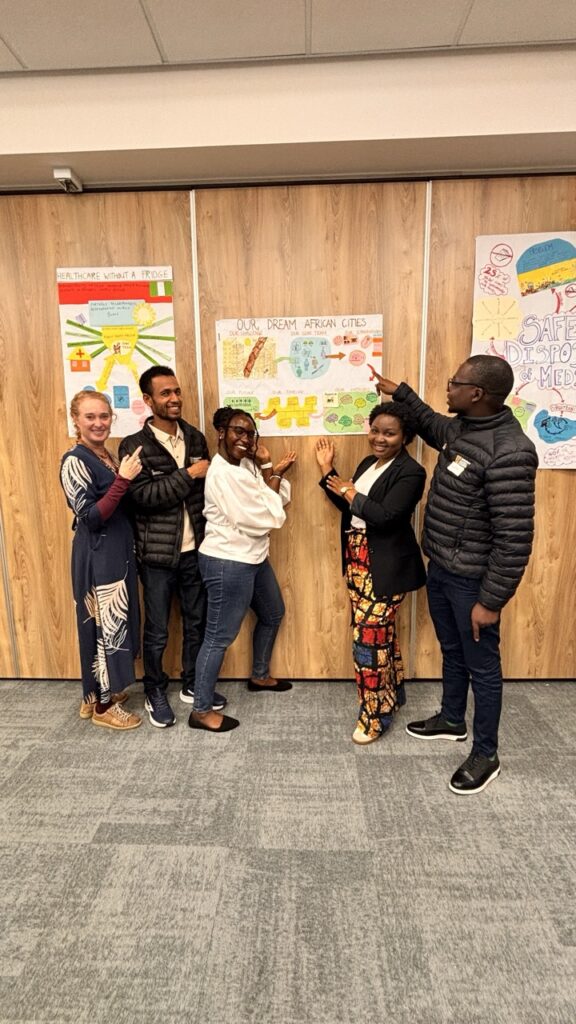
African STARS has reinforced this commitment to leadership and mentorship. Its training encouraged Dr Lugano to reflect on how she makes decisions, responds to challenges, and works with others, including in her personal life. One lesson particularly resonated with her: "You cannot lead others if you cannot lead yourself".
She also valued the programme's practical grant-writing training, particularly an exercise with Professor Cheryl Baxter and her team that demonstrated how easily researchers can overlook critical funding requirements.
Managing these professional commitments alongside family life requires considerable planning, flexibility, and support.
During her African STARS Fellowship, Dr Lugano travelled with her then 10-month-old twins. With her husband also travelling, her mother and mother-in-law alternated caring for her older children in Kenya, managing school runs, homework, and daily video calls.
"My reality involves several calendars, reminders, and being overstimulated much of the time – especially at home!" she says.
She credits her spouse, family, and friends for helping her manage these responsibilities, and acknowledges African STARS for enabling her to travel with her infants.
"Over time, I have also become comfortable with the idea that balance is not something I will achieve every day. There are periods when work demands more of my time and others when my family needs more of me."
Asked what matters most beyond the qualifications, publications, and grants on her CV, Dr Lugano's answer is simple: "Mentorship and relationships."
She credits mentors who trusted her abilities and colleagues who encouraged her to pursue opportunities, alongside the friendships and professional connections developed through African STARS.
As she completes the fellowship, Dr Lugano hopes to help more African scientists develop their own research questions and establish collaborations across institutions and disciplines. Her advice to younger African women entering science reflects the approach she has taken throughout her own career: "Bet on yourself. Apply for opportunities even when you are unsure of the outcome. Look for mentors and allies, ask questions, and be willing to take on unfamiliar challenges and spaces."
Ultimately, her ambitions extend beyond her own research achievements.
"I want to become a scientist who listens, mentors, and contributes to building a strong scientific community that lives beyond me."
News date: 2026-11-03
Links:
KRISP has been created by the coordinated effort of the University of KwaZulu-Natal (UKZN), the Technology Innovation Agency (TIA) and the South African Medical Research Countil (SAMRC).


Location: K-RITH Tower Building
Nelson R Mandela School of Medicine, UKZN
719 Umbilo Road, Durban, South Africa.
Director: Prof. Tulio de Oliveira