
Building Momentum for SPARK in Africa
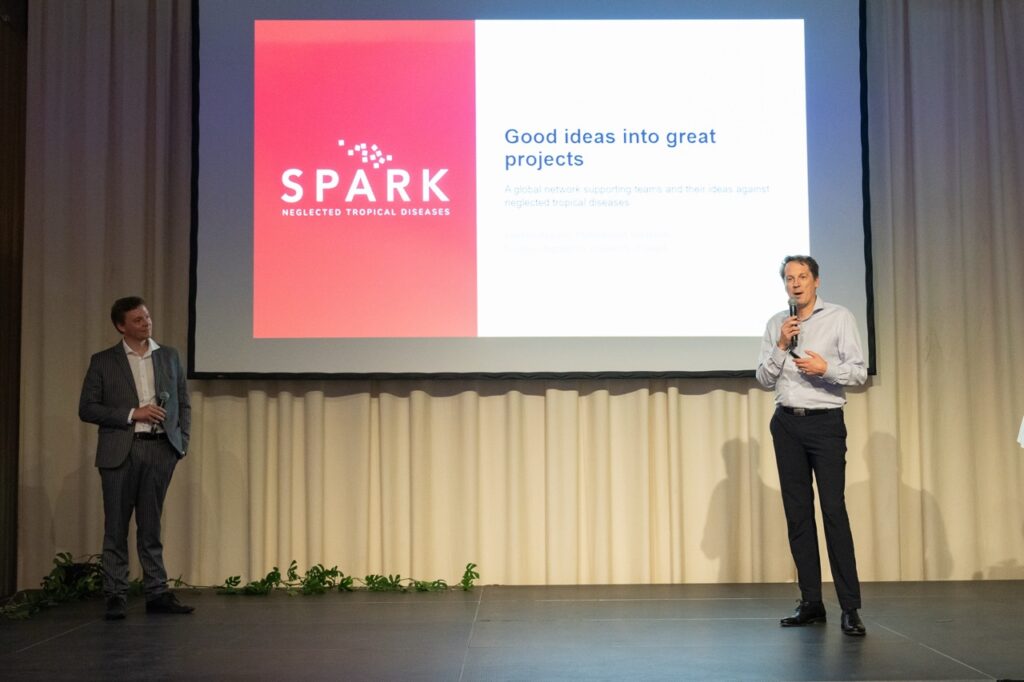
A recent visit to Switzerland by Dr Juandré Klopper, an African STARS MBA fellow with CERI at Stellenbosch University, provided an opportunity to participate in the launch of SPARK Neglected Tropical Diseases (SPARK NTD) in Basel, engage with leading global health organisations, and learn from established SPARK programmes as preparations continue to expand the network in South Africa.
SPARK is an international network dedicated to helping researchers translate scientific discoveries into practical solutions. Its approach centres on mentorship, connecting research teams with experienced clinicians, industry specialists, and other experts who understand what it takes to move promising findings towards implementation and commercialisation.
SPARK NTD is a collaboration between Stellenbosch University and the University of Basel, focused on advancing research into neglected tropical diseases. Working alongside Douglas Häggström, Dr Klopper participated in preparations for the launch at the SPARK Showcase and discussions about the programme's future development.
During the visit, Dr Klopper engaged with organisations in Geneva, including the World Health Organization, Medicines for Malaria Venture, and FIND. He also visited the Novartis headquarters in Basel.
"The meetings in Geneva were also particularly meaningful. Being there to represent Stellenbosch University helped demonstrate that SPARK NTD is a shared initiative between the Global North and Global South. It was encouraging to see the interest in what we are building together," says Dr Klopper.
The visit reinforced the importance of collaboration between researchers, industry, and health organisations in ensuring that scientific discoveries benefit patients and communities.
"One message stood out: academia, industry and health officials can and must communicate effectively if we want research to improve people's lives," says Dr Klopper.
Dr Klopper also connected with colleagues from Stanford SPARK and programmes in Bordeaux, the Midlands, Zurich, Finland, Denmark, and Western Switzerland, gaining insights into their experiences of establishing and running SPARK initiatives.
"What stood out most was how warmly we were received and how generously people shared their experience," Dr Klopper reflects. "In my conversations with colleagues from established SPARK programmes, I could ask practical questions about getting started, what had worked for them and what they would do differently."
These exchanges provided valuable insights for establishing SPARK in South Africa, along with relationships with experienced colleagues who can offer ongoing guidance.
With support from Prof Collen Masimirembwa, Director of SPARK Africa, preparations are underway to establish SPARK in South Africa as part of the continental network. SPARK Africa serves as the umbrella organisation coordinating SPARK programmes across the continent.
The initiative aims to complement existing support through universities and innovation organisations, helping research teams identify the questions they need to answer, the evidence they need to generate, and the next steps towards implementation and commercialisation.
"I see the biggest opportunity in connecting researchers with people who have experience taking discoveries through the next stages of development," Dr Klopper explains. "A promising finding is an important starting point, but moving it towards a practical solution requires additional expertise: understanding clinical needs, product development, regulation, intellectual property and commercial viability."
SPARK NTD is already active, supporting its first research project towards translation. Researchers working on neglected tropical diseases with potentially commercially viable findings, as well as industry partners and experts interested in becoming mentors, are encouraged to connect through sparkntd.org, where they can also join the programme's mailing list.
Reflecting on the visit, Dr Klopper echoed a message shared by his colleague Douglas Häggström: good research deserves more than publication and should have the opportunity to be translated into action.
"As a medical doctor, I am most excited by the possibility of helping research reach the people who could benefit from it," he says. "There is something very motivating about bringing researchers, clinicians and industry experts into the same room and working through what it would take to turn a promising idea into a useful solution."
Beyond the practical knowledge gained in Switzerland, Dr Klopper hopes to bring the same spirit of openness and collaboration to researchers in South Africa.
"I am also excited to be a part of a community in which researchers feel supported as they explore unfamiliar territory. I experienced that generosity within the international SPARK network, and I would love for our teams to experience it here."
The next priority is to build on these international relationships, expand support through SPARK NTD, and develop the mentorship network and structures needed to establish SPARK in South Africa.
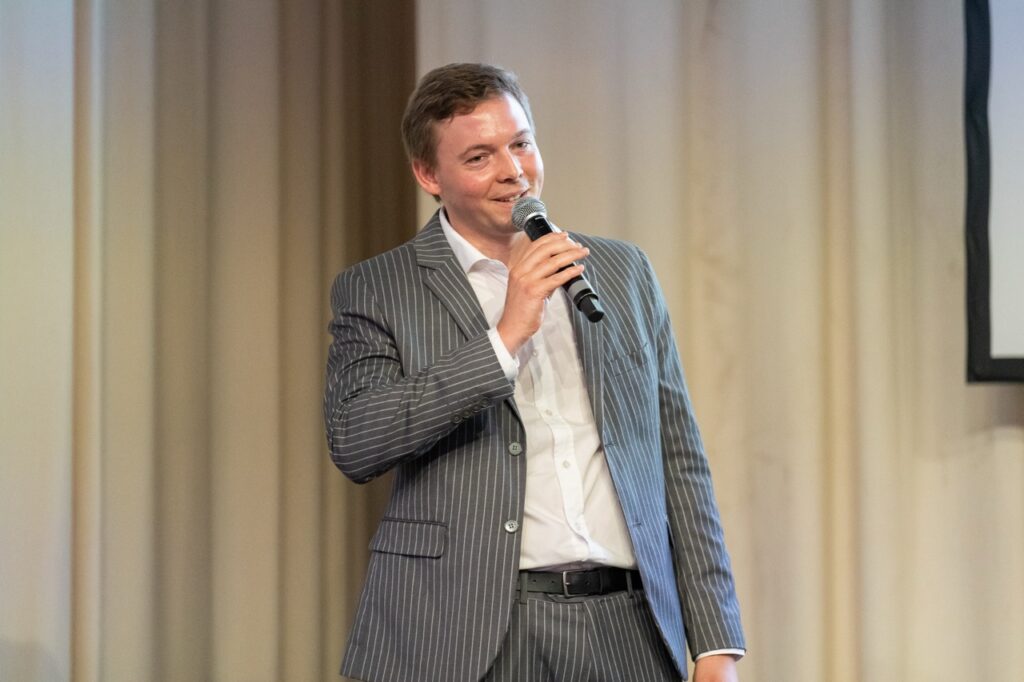
Photos: Jasmin Frei
News date: 2026-11-03
Links:
KRISP has been created by the coordinated effort of the University of KwaZulu-Natal (UKZN), the Technology Innovation Agency (TIA) and the South African Medical Research Countil (SAMRC).


Location: K-RITH Tower Building
Nelson R Mandela School of Medicine, UKZN
719 Umbilo Road, Durban, South Africa.
Director: Prof. Tulio de Oliveira